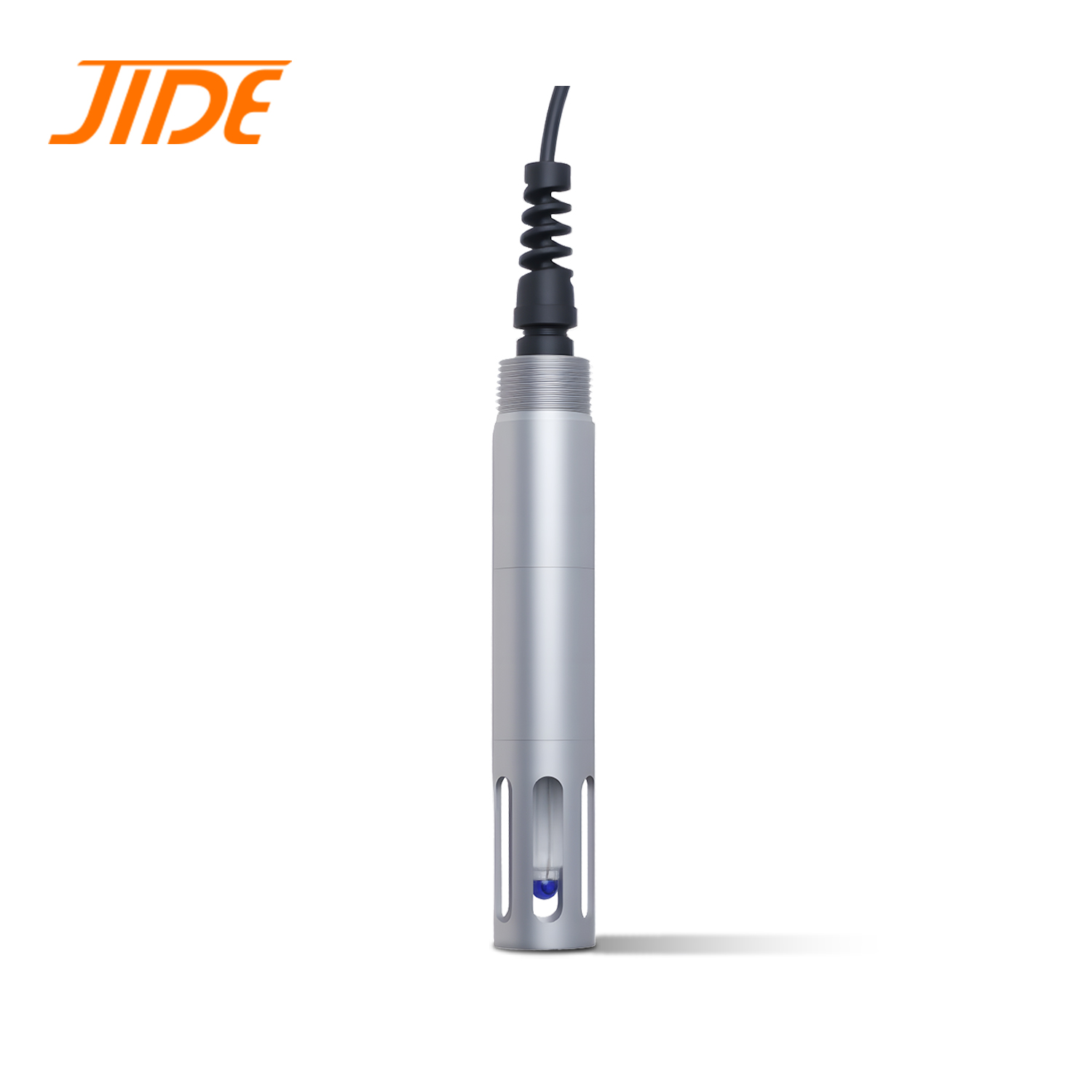
Top Smart Water Quality Sensors for Your Business

All Categories

smart water quality sensor

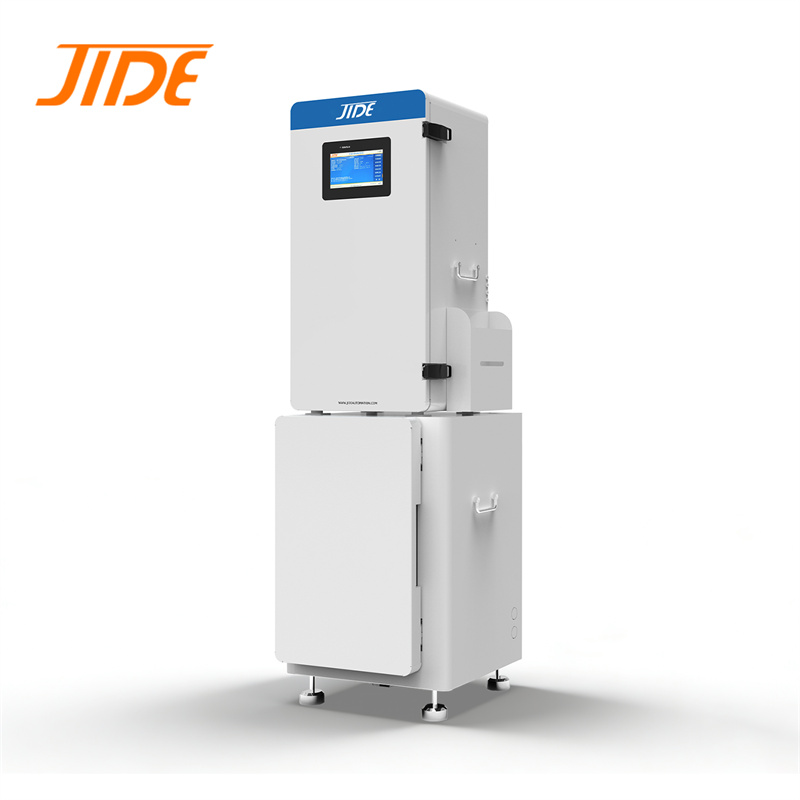
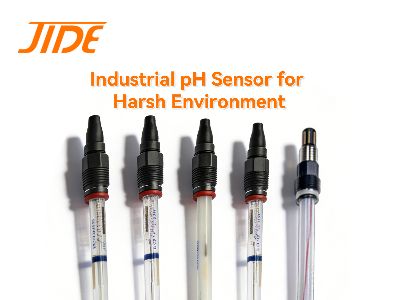
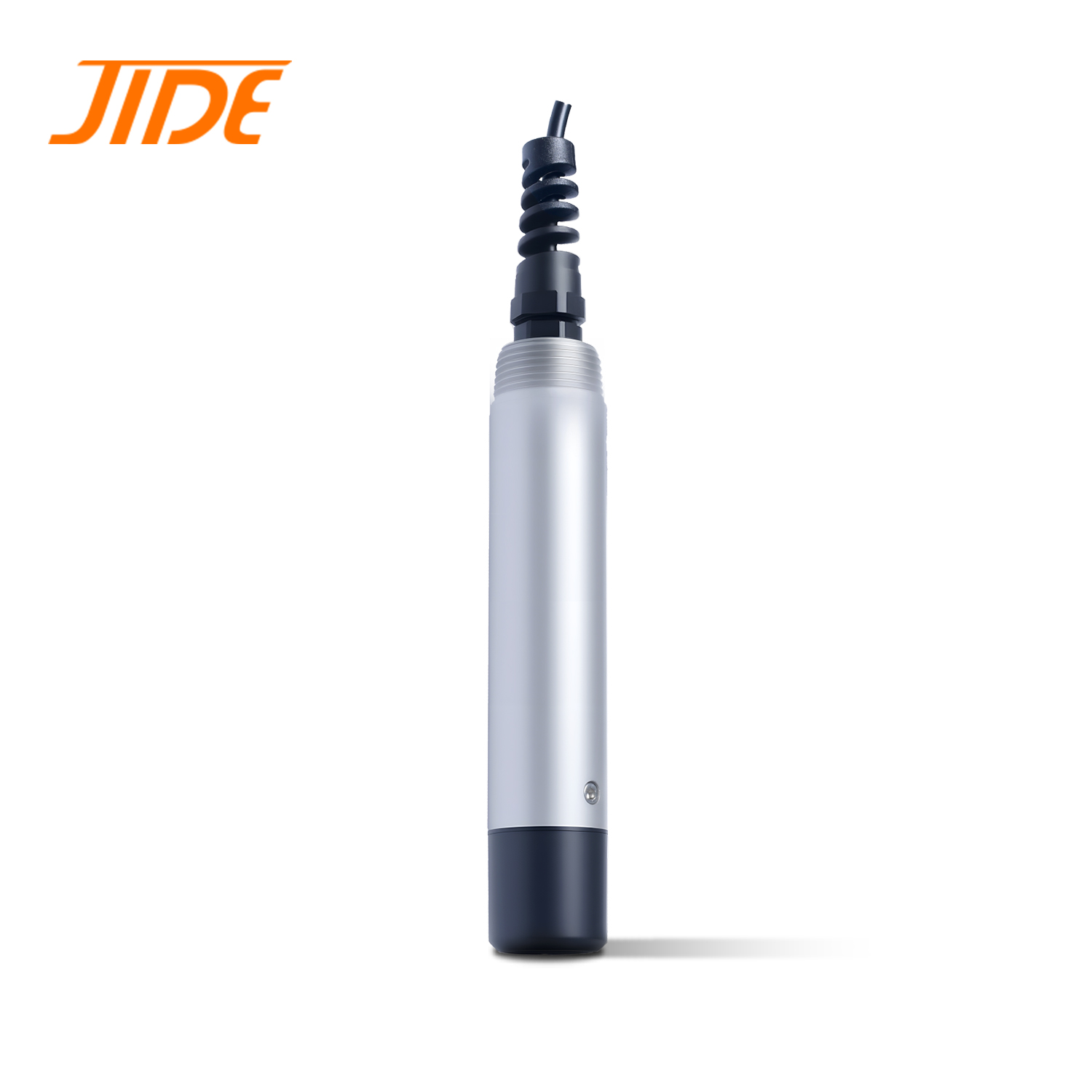
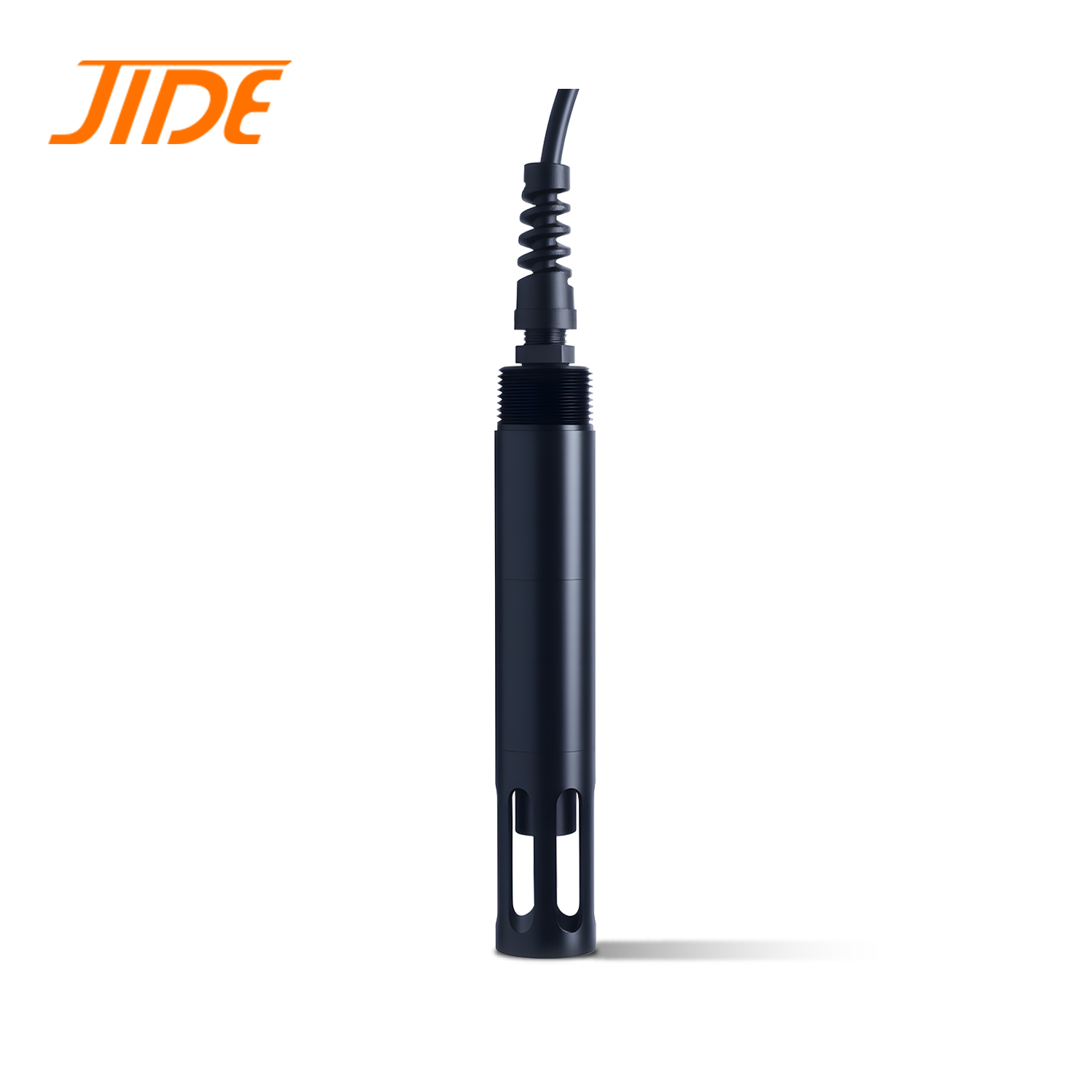
Smart water quality sensors  are special tools that help us check how clean our water is. Clean water  is very important  for our health and the environment. These  sensors can tell us if the water has harmful things  in it, like chemicals or bacteria. Knowing this can help us make sure our drinking water  is safe. Companies like JIDE  create these sensors to help businesses take care of their water supplies. With these sensors, we can find out if water is good  or bad without having to do complicated tests. This makes it  easier for factories, farms, and other businesses to keep their water safe.

If you are looking for smart water quality  sensors  for your  business, JIDE is a great place to start. We offer  a range of sensors that fit different needs. You can find these sensors on our website, where we explain how they work. We also have a team  that can help you pick the right sensor for your specific situation. For example, if you  run a farm, you may need a sensor that checks for certain chemicals in irrigation water. If you manage a factory, you might need something that monitors water  for heavy metals. Our sensors, such as the Online Residual Chlorine Sensor / Meter / Probe JECA-RC K, are designed to give accurate readings quickly.  This helps you make fast decisions when it comes to water safety. Sometimes, businesses might worry about how to install these sensors. JIDE provides clear instructions and support to make installation  easy. You can also find  us at trade shows and industry events, where we demonstrate our products. Meeting us in person can help  you understand our sensors better. You can ask questions and see how they work. Don’t forget to check online reviews or talk to other business owners about their experiences with JIDE sensors. It’s always a good idea to hear from others who use the same technology. This can help you feel more confident in your choice.
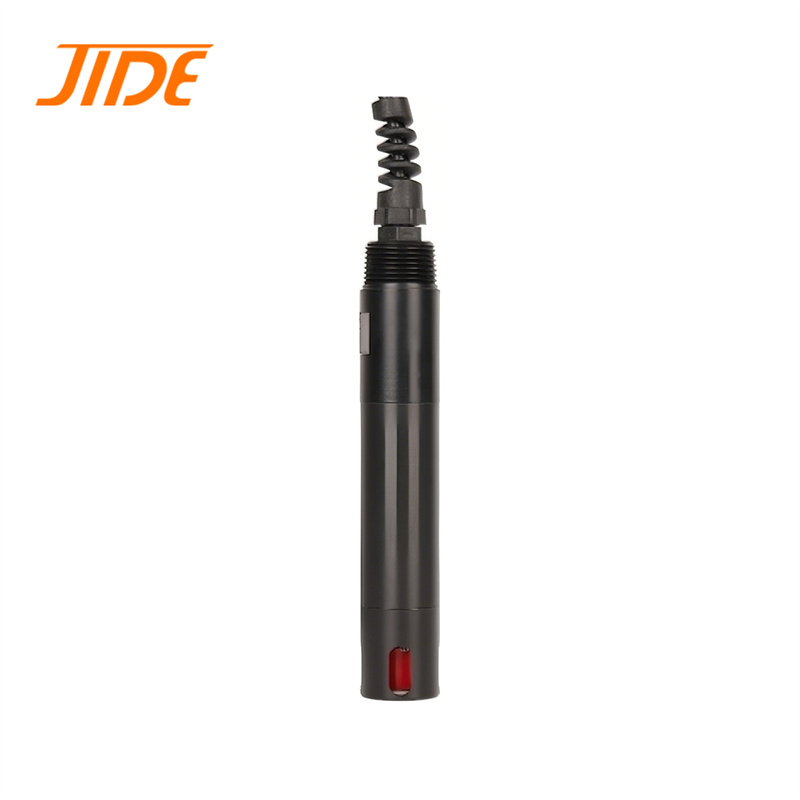
Where to Find the Best Smart Water Quality Sensors for Your Business

Using smart water quality sensors can be very helpful, but sometimes there are problems. One common issue is that sensors might give wrong  readings. This can happen if the sensor is not cleaned properly. If dirt or algae build up on the sensor, it can’t measure the water quality well. To fix this, it’s important to  regularly clean the sensors following the instructions from JIDE. Another issue  is  the  sensor not connecting to the system. Sometimes, the connection might fail if the Wi-Fi signal is weak or if there’s a problem  with the power supply. If this happens, check your internet connection or ensure that the sensor is plugged in correctly. Battery-operated sensors should have fresh batteries. If you  notice that a sensor is not working right, you might need to reset it. JIDE sensors  usually  come with a reset button that you can press to fix minor issues. Also, read the user manual carefully. It has tips  that can help you solve problems quickly. Lastly, if you ever feel stuck, don’t hesitate to contact JIDE's support team.  They are there to help  you  get the most out of  your smart water quality sensors. Understanding these common issues and their solutions can  make using sensors easier and more  effective.

When looking for a good smart water quality sensor, there are many features to consider. First, you want a sensor that can measure different things in the water. For example, it should  check  for things like pH levels, temperature, turbidity, and dissolved oxygen. Each of these helps us understand how clean and safe the water is. A smart water quality sensor from JIDE can measure all these important factors. Another feature to look for is accuracy. The best sensors give you precise readings, meaning  you can trust the information you get. You wouldn’t want  to drink water that tests clean but actually isn’t!  Additionally, consider the Turbidity / Suspended Matter Sensor / Meter / Probe JECA-SS for monitoring specific water quality parameters.

Our Blog Posts

Industrial Inductivity Conductivity Sensor for Process Water Testing

25

Jul

Industrial Inductivity Conductivity Sensor for Process Water Testing

Industries need clean water for many processes, like making products or keeping machines running. To make sure the water used is safe and clean, companies use special tools called Industrial Inductivity Conductivity Sensors. These sensors help check ...
View More
Ammonia Analyzer Ideal for Sewage Treatment Plant Monitoring

03

Sep

Ammonia Analyzer Ideal for Sewage Treatment Plant Monitoring

In sewage treatment plants, monitoring ammonia levels is very important. Ammonia can be harmful to the environment and human health if it gets into rivers and lakes. It comes from many sources, like fertilizers and animal waste. To keep our water cle...
View More
Complete Solutions for Environmental Water Quality Monitoring Projects

13

Sep

Complete Solutions for Environmental Water Quality Monitoring Projects

Water is vital for life, and its quality is essential for our health and the environment. Monitoring water quality helps us understand how clean our water is and if it is safe to use. Many businesses and organizations need to keep track of water...
View More
Industrial Process PH Online Monitoring: Key to Stable Production

18

Sep

Industrial Process PH Online Monitoring: Key to Stable Production

Monitoring the pH level in industrial processes is very important for businesses that want to keep their production stable. JIDE focuses on making this monitoring easier and more efficient. When companies know the pH levels of their materials and pro...
View More

Get a Free Quote

Our representative will contact you soon.
Email
Name
Company Name
Message
0/1000

Related product categories

Common Usage Issues with Smart Water Quality Sensors and How to Solve Them

Common Usage Issues with Smart Water Quality Sensors and How to Solve Them

Using  smart sensors also helps wholesalers  avoid waste. When water quality is monitored, it’s easier  to ensure  that  only good water is distributed. This means less water  is wasted on tests or during the treatment process. JIDE sensors can  provide real-time  data, helping wholesalers  know  exactly how much water is safe to use. Another way these  sensors save money is by reducing  the need  for manual testing. With traditional methods, workers have to spend  time collecting samples and running  tests.  Smart  sensors automate  this process, freeing  up workers to do  other important tasks.

What Features to Look for in High-Quality Smart Water Quality Sensors

What Features to Look for in High-Quality Smart Water Quality Sensors

Choosing the  right smart water quality sensor can seem tricky, but it doesn’t have  to be!  First, think about what  you need the sensor for. Are you checking  the  water in a pool, a  drinking  water supply,  or maybe  a fish tank? Different sensors are  made for different  purposes. For example, if  you are  monitoring  a fish tank, you might need a  sensor that checks for specific  chemicals that could harm the  fish. JIDE offers various sensors  tailored to different needs, making it easier to find  the right one.

How Smart Water Quality Sensors Can Reduce Operational Costs for Wholesalers

How Smart Water Quality Sensors Can Reduce Operational Costs for Wholesalers

Next, consider the  features you  learned about earlier. Look for a sensor that measures everything you need and  is easy to  use. Make sure it has good connectivity  options, so you  can  easily access the data.  Another  important aspect is the price. While you  want  a quality sensor, you  also need to  choose one that  fits your budget. Sometimes, spending a  bit more on  a high-quality  sensor  can save money  in the long  run because of its durability and accuracy.

Choose your global partner

Are you ready to consult with an engineer about your working conditions and specific needs?

Get a Quote

Get a Free Quote

Our representative will contact you soon.
Email
Name
Company Name
Message
0/1000