Electronic Chlorine Sensors for Water Quality

All Categories

electronic chlorine sensor

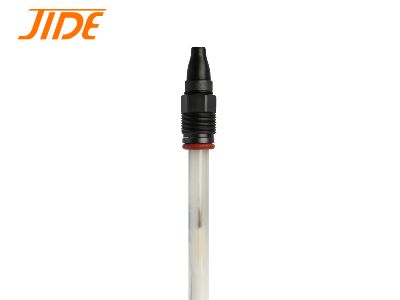
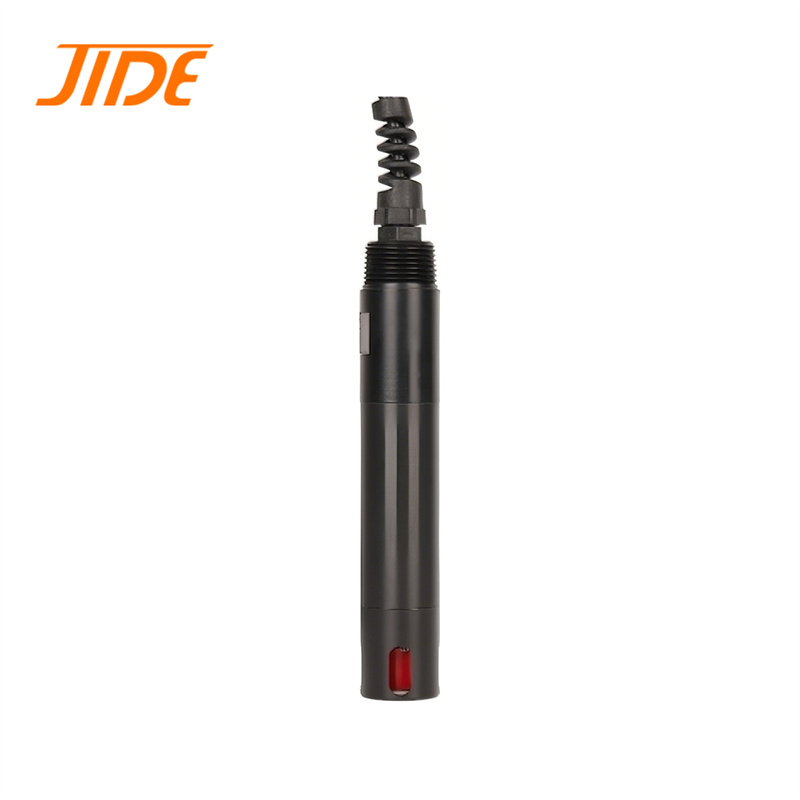
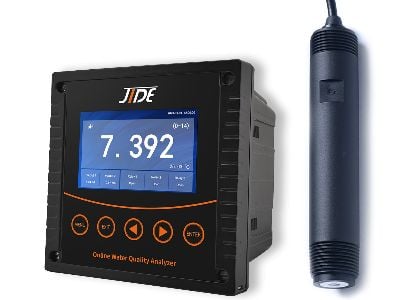
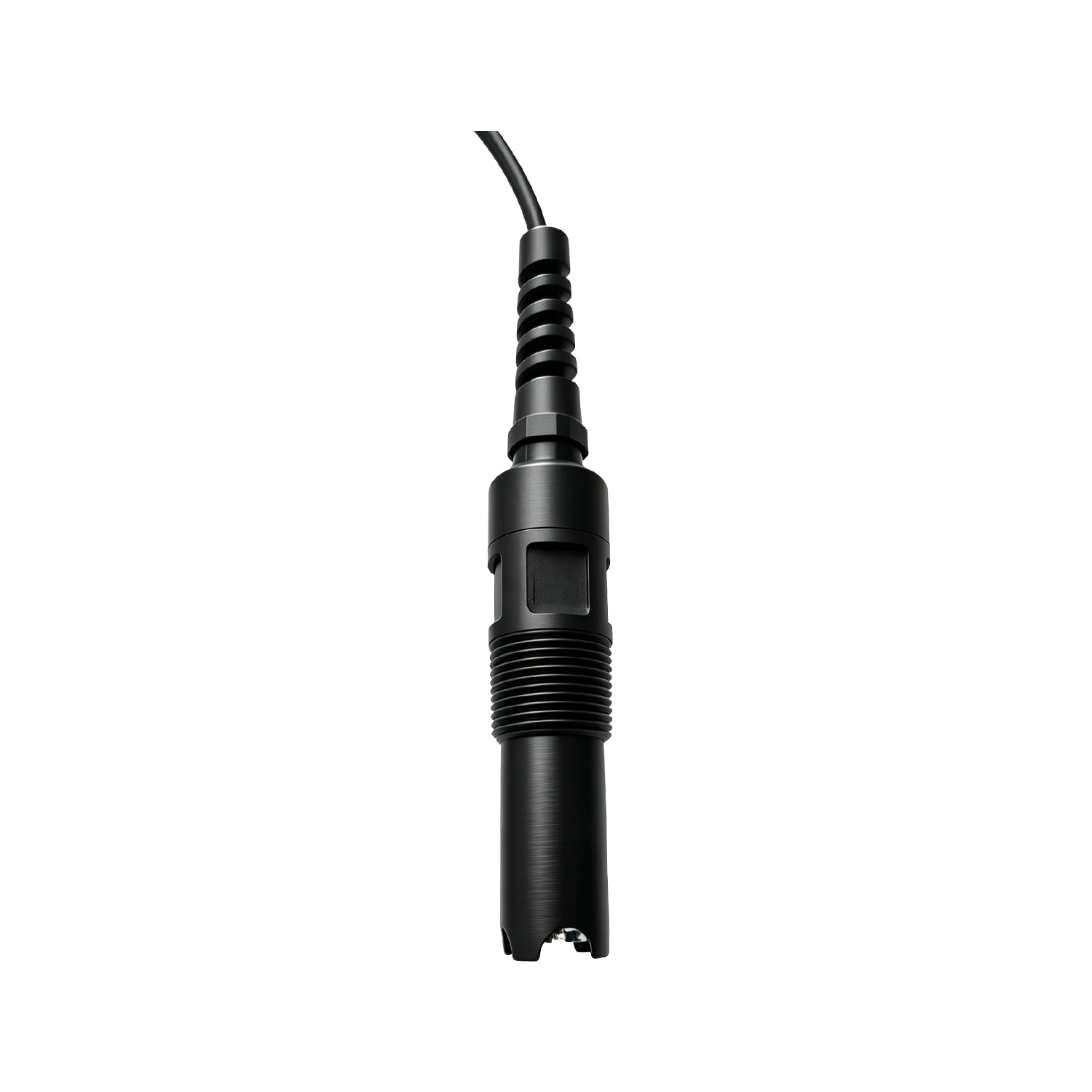
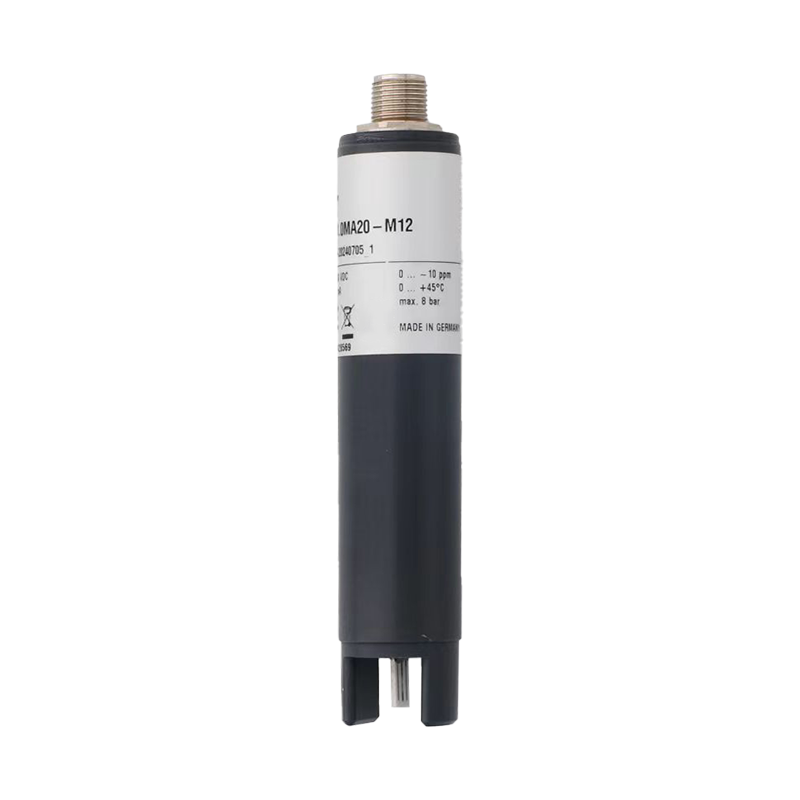
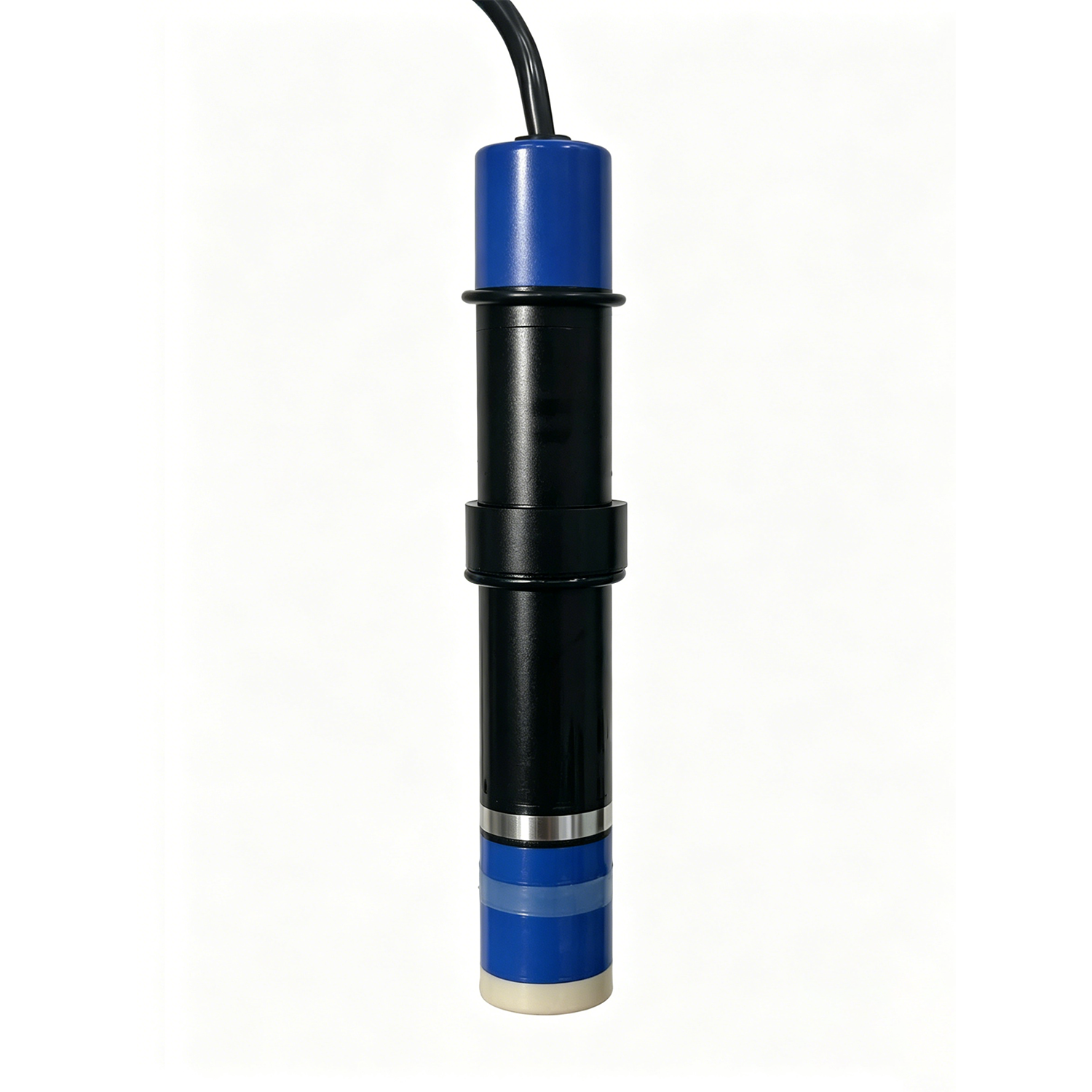
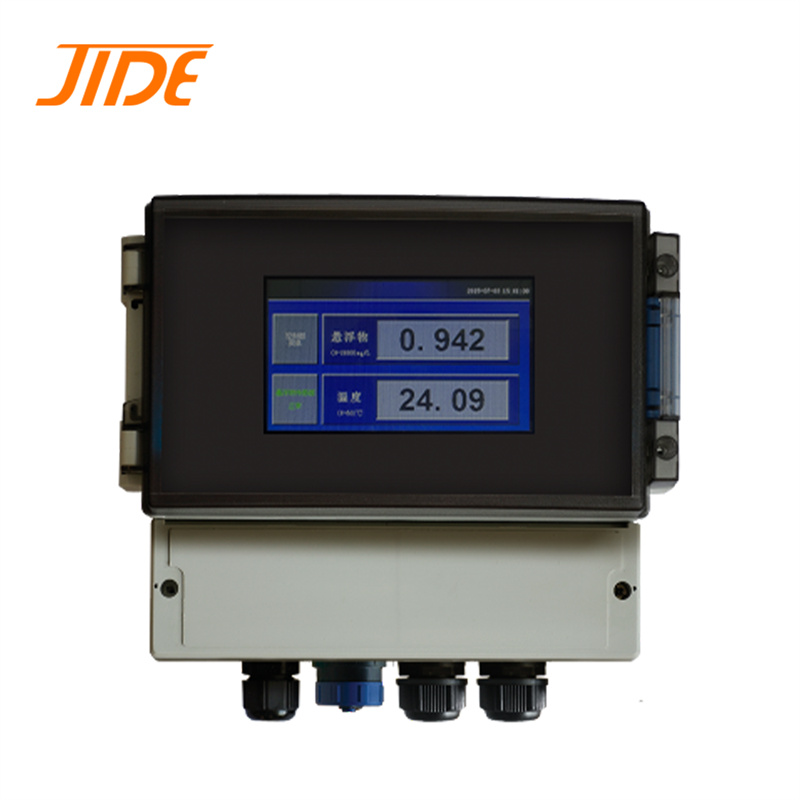
Using electronic chlorine sensors has many benefits. First, they give us real-time information about the  amount of chlorine in the water. This means we can know right away if the water is safe or if it needs  more treatment.  For example, if you are  swimming in a pool and the chlorine level is too low, the sensor will alert the pool manager. This helps keep everyone safe  from germs. Also, electronic  sensors are very accurate. They help  us avoid mistakes that  can happen with other types of testing. Imagine trying to  measure something with a ruler that is broken. You might get the wrong answer. But with sensors,  we get the right number  every time. If you are looking for advanced options, consider the Online Residual Chlorine Sensor/Meter/Probe JECA-RC K for enhanced reliability.

Another great thing  about electronic chlorine sensors is that they  are  easy to  use. Many  people can operate them without special training. This means that more people  can help keep  our water safe. For businesses and organizations, this is  a big help. It saves time and money because fewer people need to be trained. Additionally, electronic chlorine sensors can save money in the long run. By keeping track of the chlorine levels, we can avoid using too much chlorine. This means lower costs for water  treatment.
Discover the Benefits of Electronic Chlorine Sensors for Water Quality Monitoring

When using electronic chlorine sensors, people sometimes face problems. These  sensors are important  because they help us measure  the amount of chlorine in water, like pools or  fish tanks.  One common issue is that the sensors can give wrong readings if  they are not cleaned regularly. Imagine trying to read  a  book with dirty glasses;  it’s hard to see the words clearly! In the  same way, if the sensor is dirty, it cannot measure the chlorine accurately. To solve this, users should clean the sensors according to the instructions from JIDE. Regular cleaning helps the sensors work well and  gives better results.


Another issue is that sensors can sometimes get damaged. This can happen if they are dropped or if there is too much heat or cold. If a sensor is broken, it won’t be able to measure chlorine at all. To avoid this problem,  it  is important to handle the sensors carefully. JIDE recommends storing them in a safe place where they are  protected. If you notice that a  sensor is not working, it’s  best to check the manual for troubleshooting  tips. Sometimes, just recalibrating the sensor  can fix the problem, making  it work like new again.

Our Blog Posts

Online Water Quality Monitoring Solutions for Industrial Applications

01

Jul

Online Water Quality Monitoring Solutions for Industrial Applications

Water is a vital part of many industries. Factories, farms, and plants all need clean water to work properly. When water quality is poor, it can cause big problems. Companies can lose money, face legal issues, and hurt the environment. That’s why it ...
View More
Multiparameter Water Quality Meter: All-in-One Water Testing Device

24

Aug

Multiparameter Water Quality Meter: All-in-One Water Testing Device

A Multiparameter Water Quality Meter is a special tool that helps test the quality of water. It can measure many different things at once, like pH, temperature, oxygen levels, and more. This is really important for people who buy water-testing equipm...
View More
Ammonia Analyzer Ideal for Sewage Treatment Plant Monitoring

03

Sep

Ammonia Analyzer Ideal for Sewage Treatment Plant Monitoring

In sewage treatment plants, monitoring ammonia levels is very important. Ammonia can be harmful to the environment and human health if it gets into rivers and lakes. It comes from many sources, like fertilizers and animal waste. To keep our water cle...
View More
Conductivity Sensor Application in Pure Water Production Lines

28

Sep

Conductivity Sensor Application in Pure Water Production Lines

Pure water is very important for many things, from drinking to making products. At JIDE, we make sure that pure water production is done the right way. One key part of this process is the conductivity sensor. This ph sensor helps us check how cl...
View More

Get a Free Quote

Our representative will contact you soon.
Email
Name
Company Name
Message
0/1000

Related product categories

What to Look for in High-Quality Electronic Chlorine Sensors

What to Look for in High-Quality Electronic Chlorine Sensors

Electronic chlorine sensors are  very important for places with  water, like swimming pools  and aquariums. These sensors are  special tools that help keep the  water safe and clean. One reason they  are a  must-have is that they help maintain  the right level of chlorine in the water.  Chlorine is like  a  superhero for water;  it fights germs  and keeps us  healthy.  If there is  too little chlorine, the water  can become unsafe. But  if there is too much, it can irritate our skin and eyes. With  JIDE’s electronic chlorine  sensors, it is easy to find the perfect balance. For more advanced solutions, check out the Online Residual Chlorine Sensor/Meter/Probe JECA-RC C as well.

Common Usage Issues with Electronic Chlorine Sensors and How to Solve Them

Common Usage Issues with Electronic Chlorine Sensors and How to Solve Them

Another reason  these  sensors are essential is  that they save time  and effort. Before electronic sensors, people  had to test  the water by using strips or drops. This took a  lot of time  and was  not always accurate. With JIDE’s electronic sensors, you can get quick results. This means that you can spend  less time testing  and more time enjoying the water. This is  especially important  for  facilities  that serve many people, like public  pools or water  parks. They  need to ensure the water is safe quickly, and electronic sensors make  this  job much easier.

What Makes Electronic Chlorine Sensors a Must-Have for Aquatic Facilities?

What Makes Electronic Chlorine Sensors a Must-Have for Aquatic Facilities?

Environmental compliance means following  rules  that help protect our  planet.  When it comes to water quality, it is very important  to  have the right amount of chlorine to keep the  water safe. Electronic chlorine sensors, like those made by  JIDE,  help  facilities follow these  rules.  First, they provide accurate measurements of chlorine levels. This is crucial because if a facility  uses too much chlorine,  it can harm the  environment, like nearby plants and animals. By using electronic sensors, facilities can  make sure they are  using  the right amount, which  is good for  the water and the Earth.

Choose your global partner

Are you ready to consult with an engineer about your working conditions and specific needs?

Get a Quote

Get a Free Quote

Our representative will contact you soon.
Email
Name
Company Name
Message
0/1000