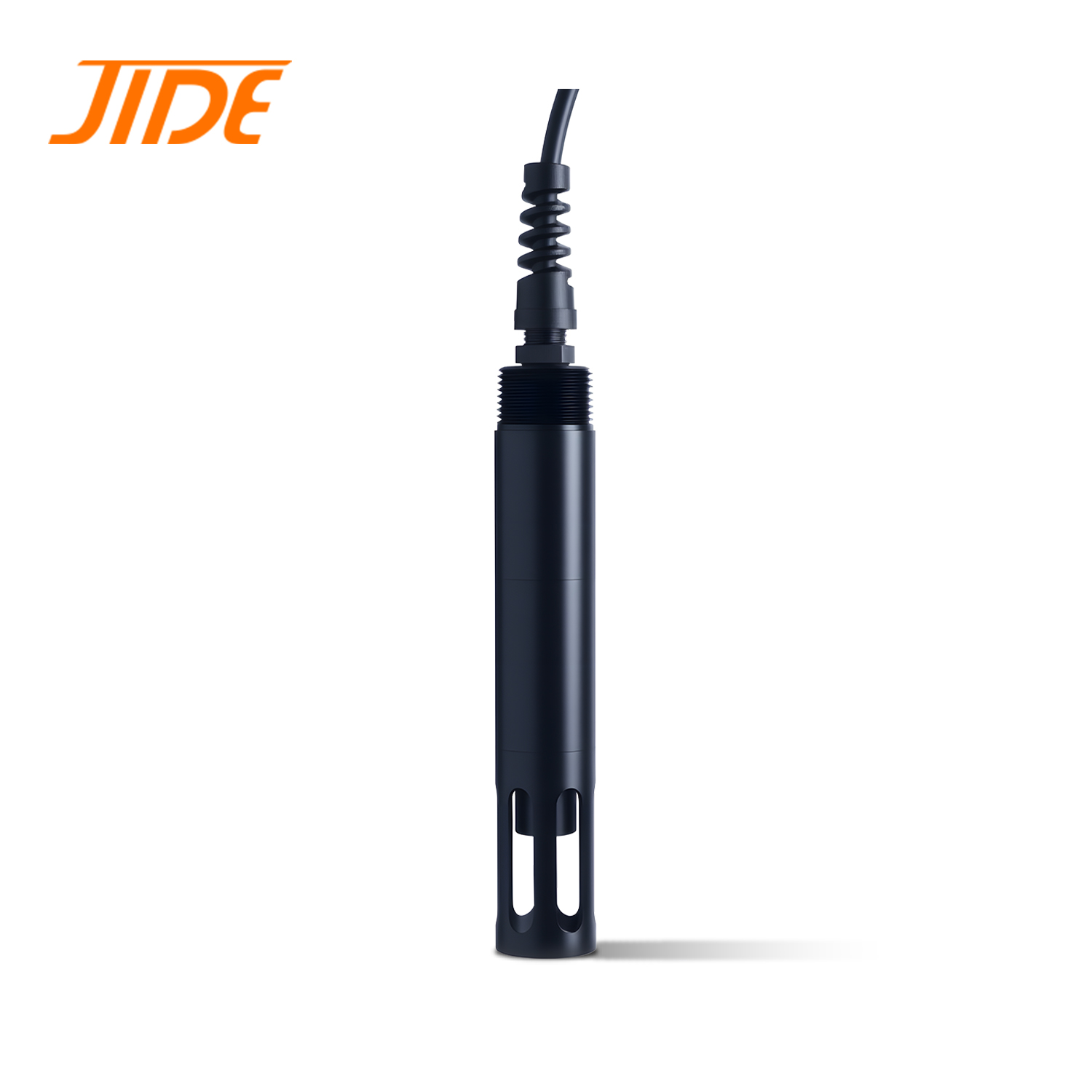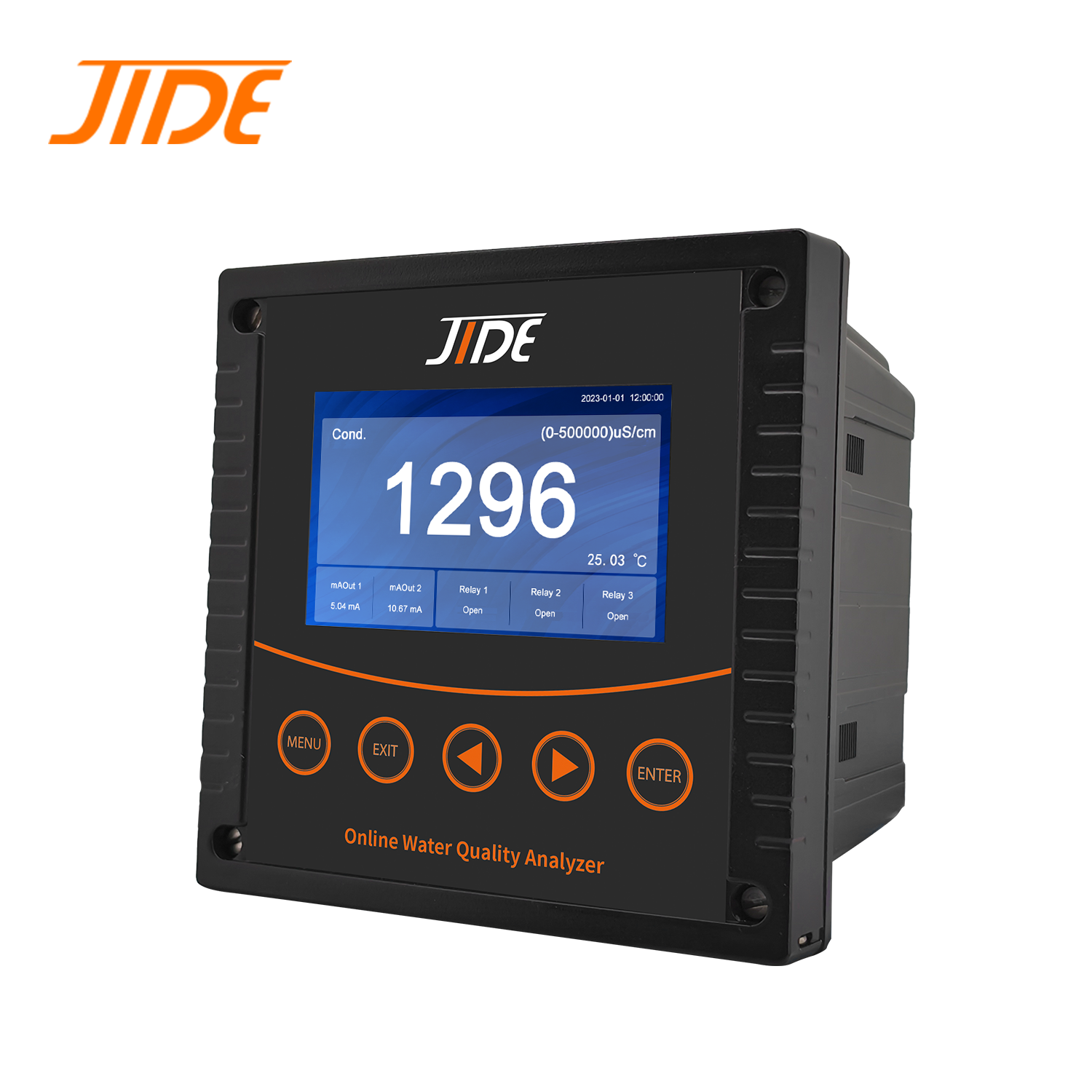
Water EC Sensor for Accurate Measurements

All Categories

Water ec sensor

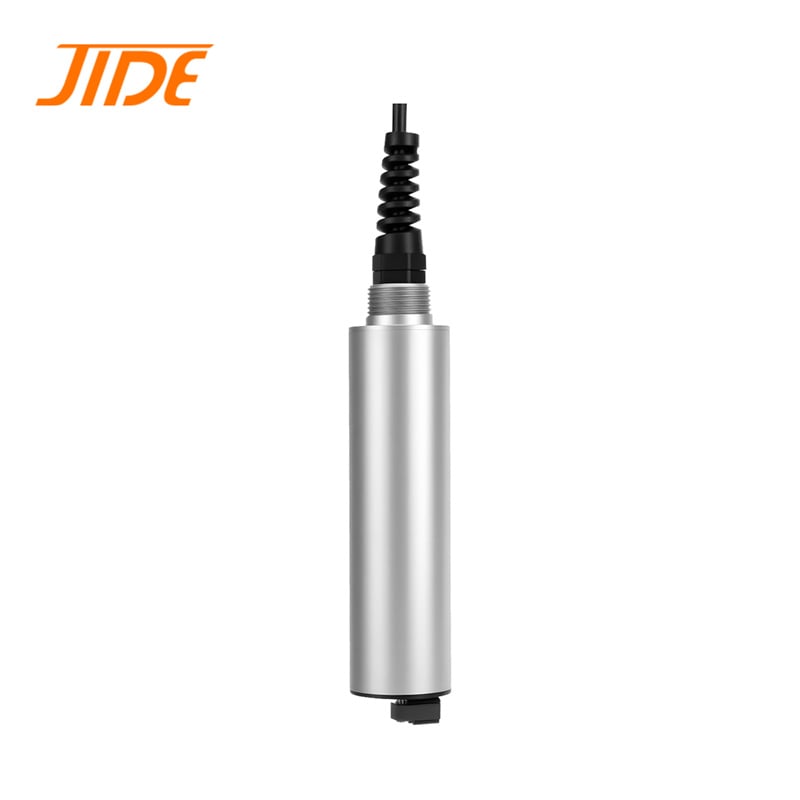
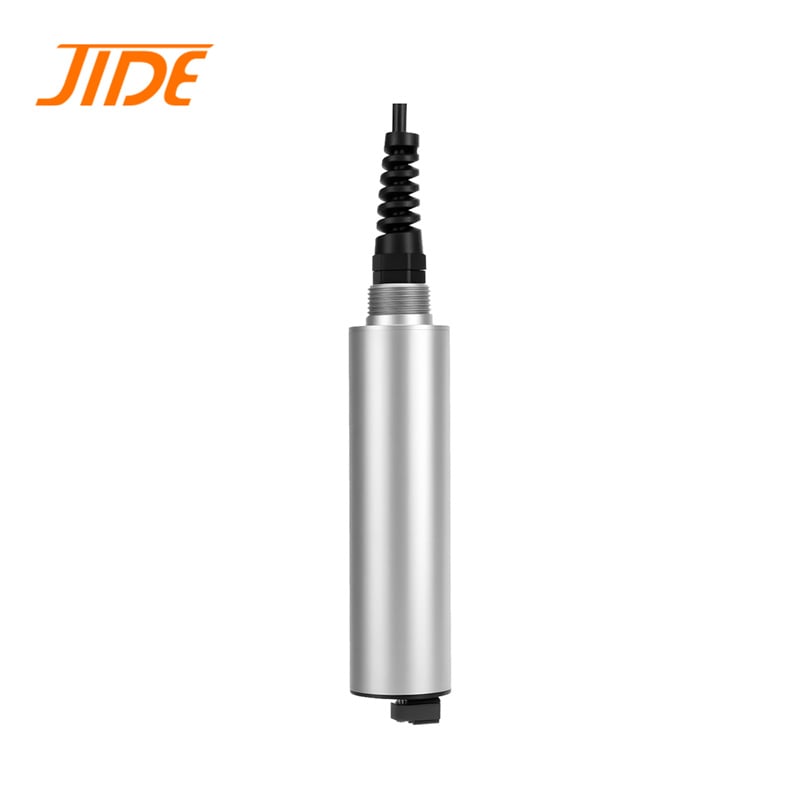
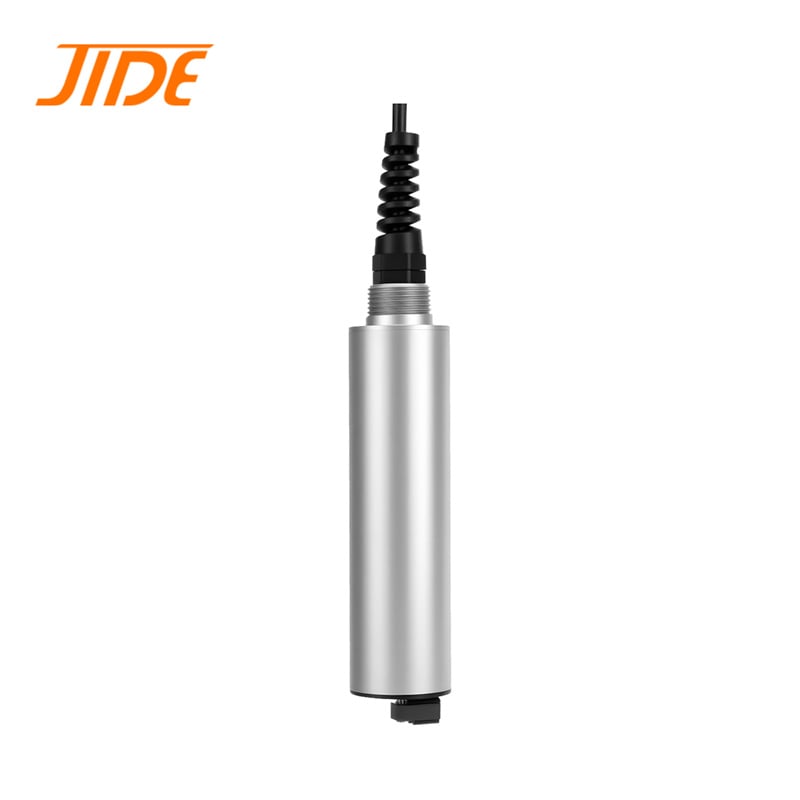
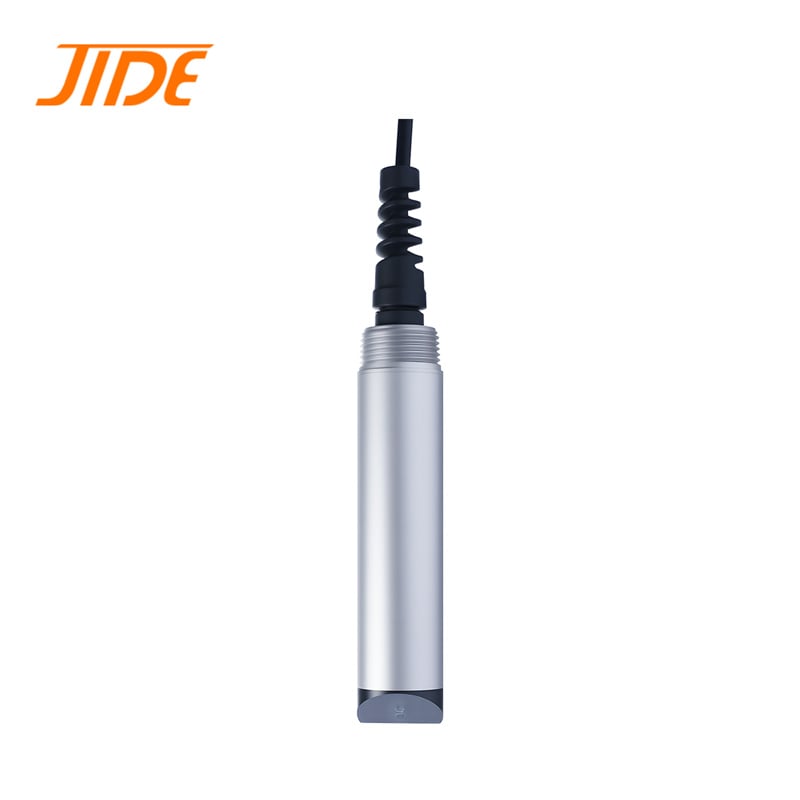
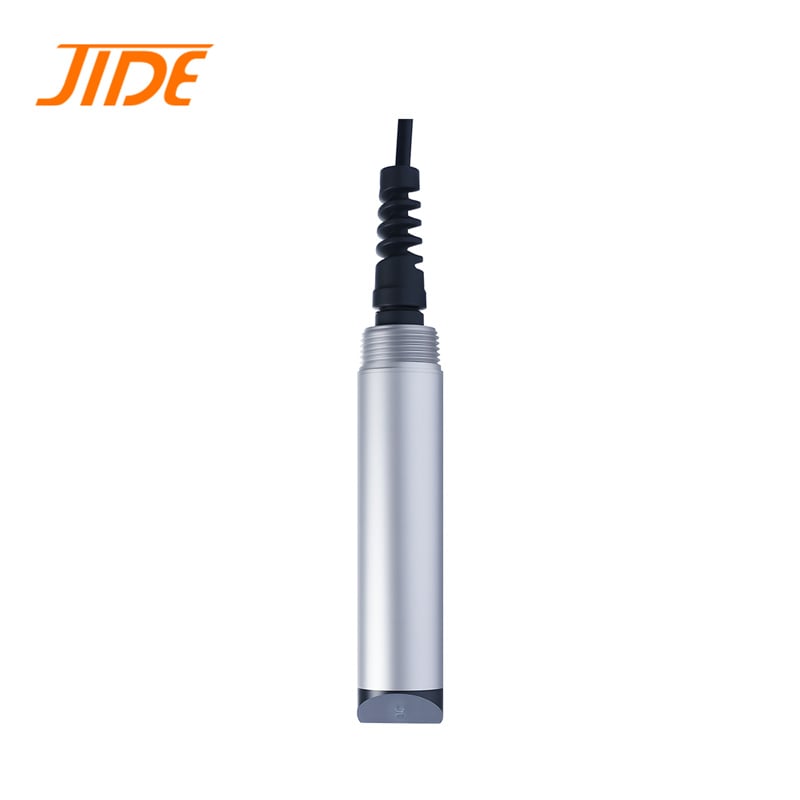
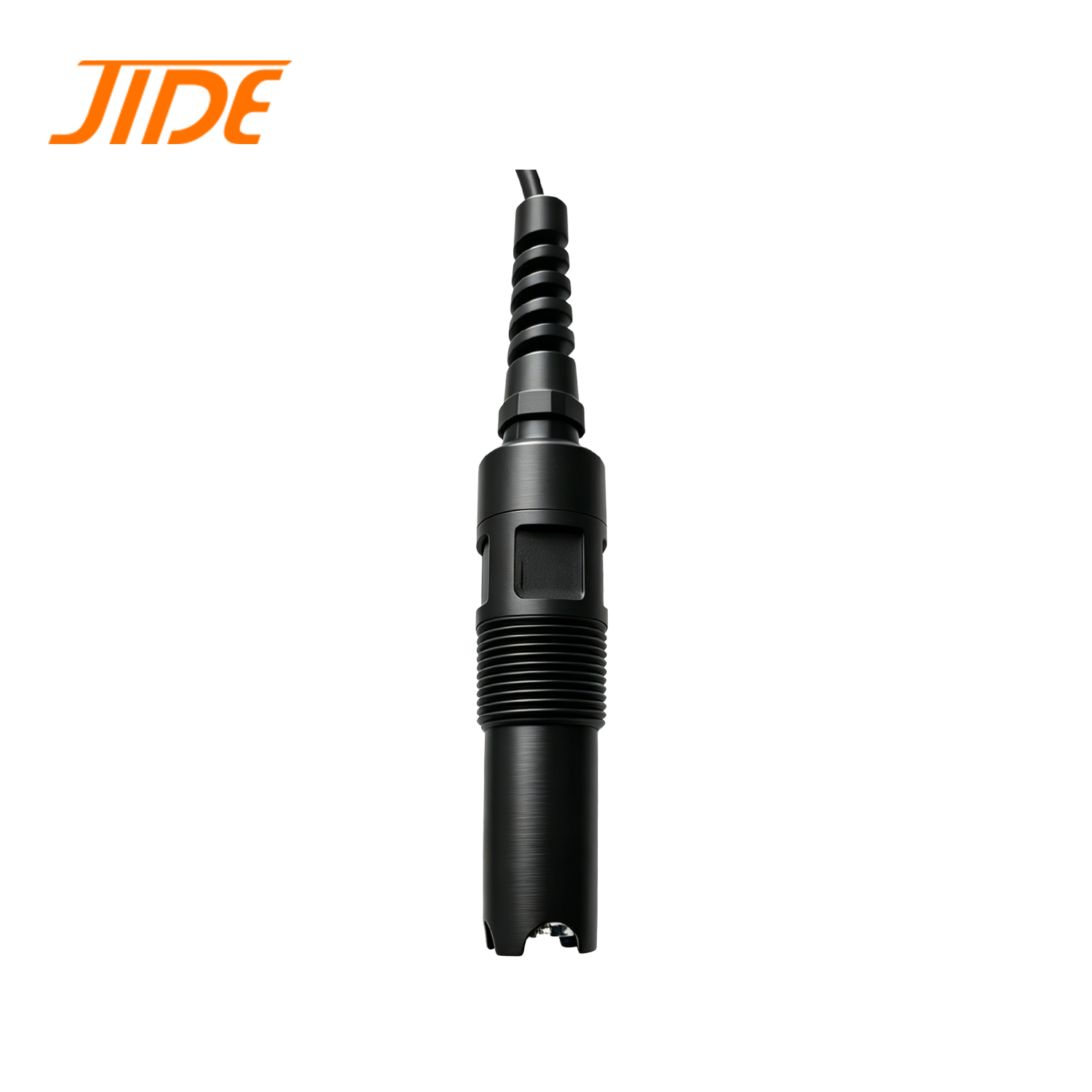
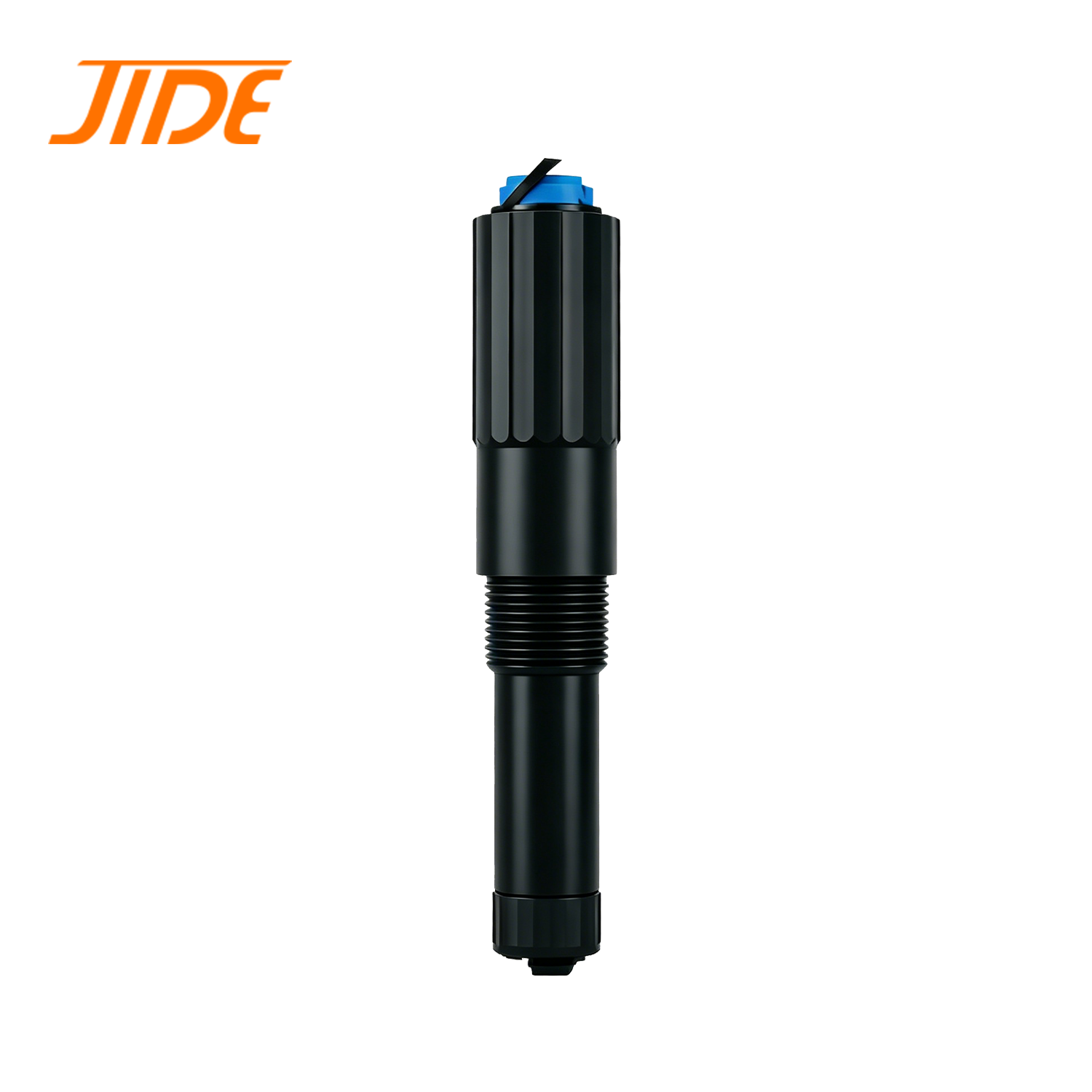
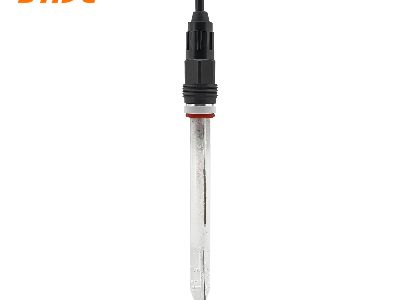
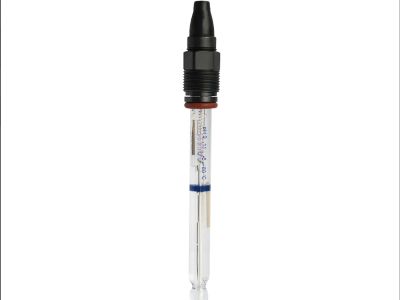
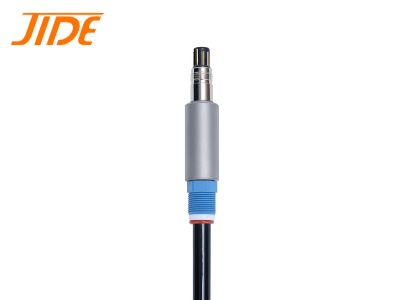
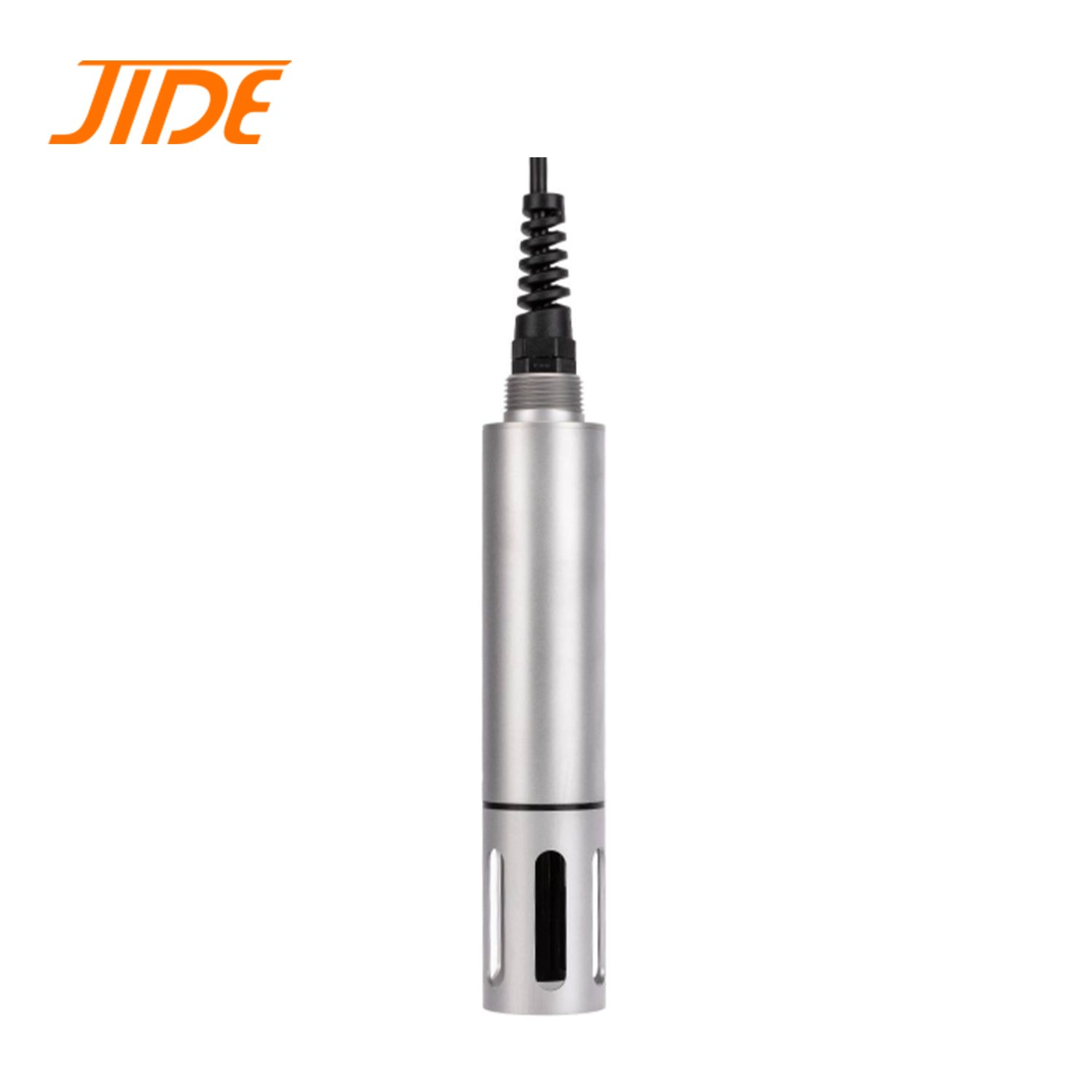
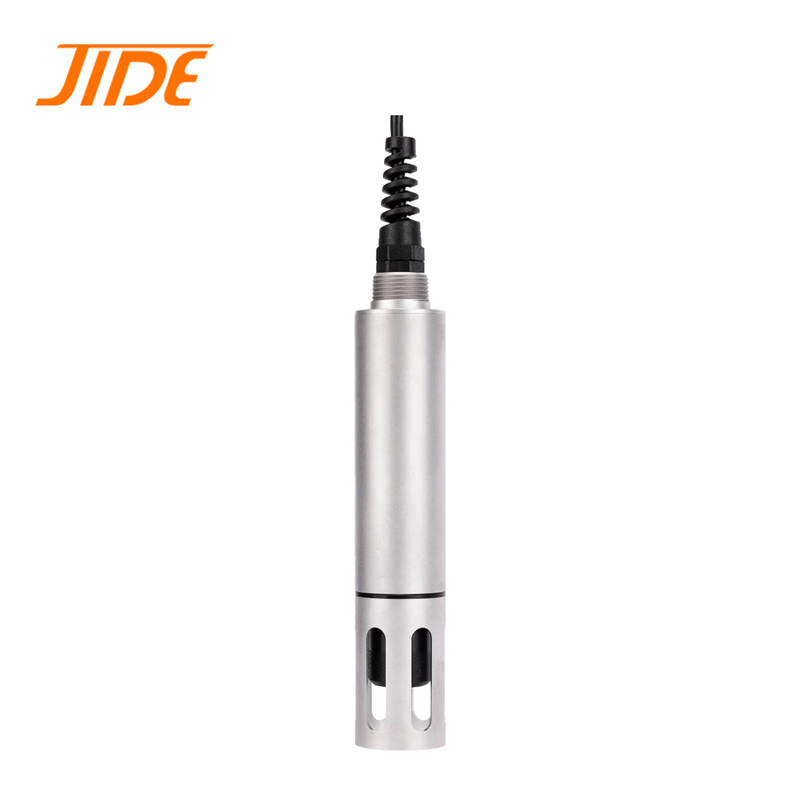
            Water EC sensors are important tools used to measure the electrical conductivity (EC) of water. This measurement helps us understand how much dissolved material, like salts and minerals, is in the water. When you know the EC level, you can tell if the water is safe for drinking, farming, or other uses. In many industries, these sensors are very useful. At JIDE conductivity water sensor, we make high-quality water EC sensors that help businesses monitor water quality easily and accurately. Knowing these readings helps farmers grow better crops and helps factories use water more efficiently.  

Water EC sensors provide many benefits, especially for wholesale buyers who need them for large-scale use. First, they ensure water quality. For example, if a farmer has a sensor, they can check the water before using it on crops. This means they can avoid problems that come from bad water, like sick plants. Another benefit is that these sensors are easy to use. Wholesale buyers like simplicity. With JIDE conductivity water level sensor, you can get readings quickly without needing special training. Additionally, they save time and money. If a factory uses these sensors, they can cut down on waste by knowing exactly how much water they need. This not only helps the environment but also lowers costs. Furthermore, they help in compliance with regulations. Businesses must often meet certain standards for water quality, and having a reliable sensor makes it easier to show that they are following the rules. In many cases, good quality water leads to better products. When businesses use JIDE’s water EC sensors, they often find that their final products are improved because they started with better water. Lastly, these sensors are durable. This means the JIDE digital ph sensor can work well for a long time, even in tough conditions. For wholesale buyers, this means they are making a smart investment that will last.         

Our Products

What Are the Key Benefits of Water EC Sensors for Wholesale Buyers?

Choosing the right water EC sensor can be tricky, but it doesn’t have to be! First, think about where you will use the sensor. If you need it for farming, look for one that works well in soil or irrigation systems. If you are using it in a factory, find one designed for industrial use. Next, consider the range of conductivity you need to measure. Different sensors can handle different levels of EC. For example, if you are checking water for drinking, you need a sensor that can measure very low conductivity. On the other hand, if you are monitoring water in a fish farm, you might need a sensor that can handle higher levels. It’s also important to check how easy it is to use. You might want a sensor that gives you readings quickly and doesn’t require a lot of setup. JIDE’s sensors are user-friendly, which is great for anyone who may be new to using them. Additionally, think about the price. While it might be tempting to choose the cheapest option, remember that you want quality and reliability. A low-cost sensor might not work well or last long, costing more in the end. Finally, check for customer support and warranty. If something goes wrong, having support can save you a lot of hassle. JIDE offers great customer service, so you can always ask for help if you need it. With these tips, you can find the perfect water EC sensor for your specific needs.   

If you are looking for high-quality water EC sensors at wholesale prices, you have come to the right place! One of the best options is to check online stores that specialize in electronic equipment. Many websites offer great deals, especially if you buy in bulk. When searching for water EC sensors, make sure to look for a trusted brand like JIDE. They are known for making reliable sensors that help you measure the electrical conductivity (EC) of water. This is important because it tells you how many minerals and salts are in the water. These minerals can affect the health of plants, fish, and even people.

Frequently Asked Questions

What is the Water EC Sensor used for?

The Water EC Sensor measures electrical conductivity to monitor water quality, detect salinity, and support environmental and industrial process control.
Typical EC range covers low to high conductivity suitable for potable to industrial waters; accuracy and ranges are factory-specified and verified by our QC team on request.
Mounting options include inline, immersion, or panel; outputs support standard signals for integration with flowmeters, PLCs, and monitoring systems.
Periodic cleaning and routine calibration with standard solutions are recommended. Our RD team provides calibration procedures and support for scheduled maintenance.
Yes. JIDE LTD offers in-house R&D support, global-standard quality control, documentation, and technical assistance for installation and troubleshooting.

Our Blog Posts

Real-Time Online Water Quality Monitoring System Overview

02

Jul

Real-Time Online Water Quality Monitoring System Overview

Water is essential for life, and knowing how clean it is makes a big difference. That’s where JIDE comes in. We create systems that check water quality in real-time. This means we can see what’s happening to the water right now, not just later. It he...
View More
Reliable DO Sensor for Dissolved Oxygen Detection in Aquaculture

09

Jul

Reliable DO Sensor for Dissolved Oxygen Detection in Aquaculture

What Are the Latest Trends in DO Sensor Technology for Aquaculture? Keeping fish and shrimp healthy in ponds or tanks is very important. Dissolved oxygen is a big part of that. Fish and other sea creatures need oxygen to breathe, just like we do...
View More
Durable Industry PH Probe for Long-Term Online Water Monitoring

30

Jul

Durable Industry PH Probe for Long-Term Online Water Monitoring

Water is essential for life, and monitoring its quality is very important. One way to do this is by using a pH probe. A pH probe helps us know how acidic or basic the water is. For long-term online water monitoring, choosing a durable pH probe is key...
View More
Advanced COD Sensor for Real-Time Organic Matter Monitoring

14

Aug

Advanced COD Sensor for Real-Time Organic Matter Monitoring

Real-time monitoring of organic matter plays a critical role in maintaining water quality and protecting the environment. One of the most effective tools for this purpose is a Chemical Oxygen Demand (COD) sensor, which measures the amount of oxygen r...
View More

Get a Free Quote

Our representative will contact you soon.
Email
Name
Company Name
Message
0/1000

Related product categories

How to Choose the Best Water EC Sensor for Your Needs?

How to Choose the Best Water EC Sensor for Your Needs?

Another good idea is to visit local suppliers or distributors of electronic devices. Sometimes they have special sales or discounts for schools, businesses, or individuals buying in larger amounts. You can ask about JIDE products specifically to ensure you are getting the best quality. Trade shows and industry fairs are also great places to find water EC sensors. At these events, you can meet different suppliers and even get hands-on experience with the products. This can help you decide which sensors are right for your needs.

Where to Find High-Quality Water EC Sensors at Wholesale Prices?

Where to Find High-Quality Water EC Sensors at Wholesale Prices?

Water EC sensors are important tools that help us understand the quality of water. But what exactly is an EC sensor? An EC sensor measures how well electricity can pass through water. This is called electrical conductivity. When there are many minerals and salts in the water, the conductivity is higher. This means that the water has a lot of dissolved substances. On the other hand, if the conductivity is low, it means the water is purer and has fewer minerals. Knowing this information can help farmers, aquarists, and even people who want to drink clean water.

A Comprehensive Guide

A Comprehensive Guide

When using water EC sensors, there are some helpful tips and tricks that can make your experience even better. First, always read the instructions that come with your sensor. Different sensors may have specific ways they need to be used. Following the guidelines will help you get the most accurate readings. Also, remember to keep your sensor clean. Dirt and minerals can build up on the sensor and give you false readings. You can clean it gently with water or a special cleaning solution recommended by the manufacturer.

Choose your global partner

Are you ready to consult with an engineer about your working conditions and specific needs?

Get a Quote

Get a Free Quote

Our representative will contact you soon.
Email
Name
Company Name
Message
0/1000