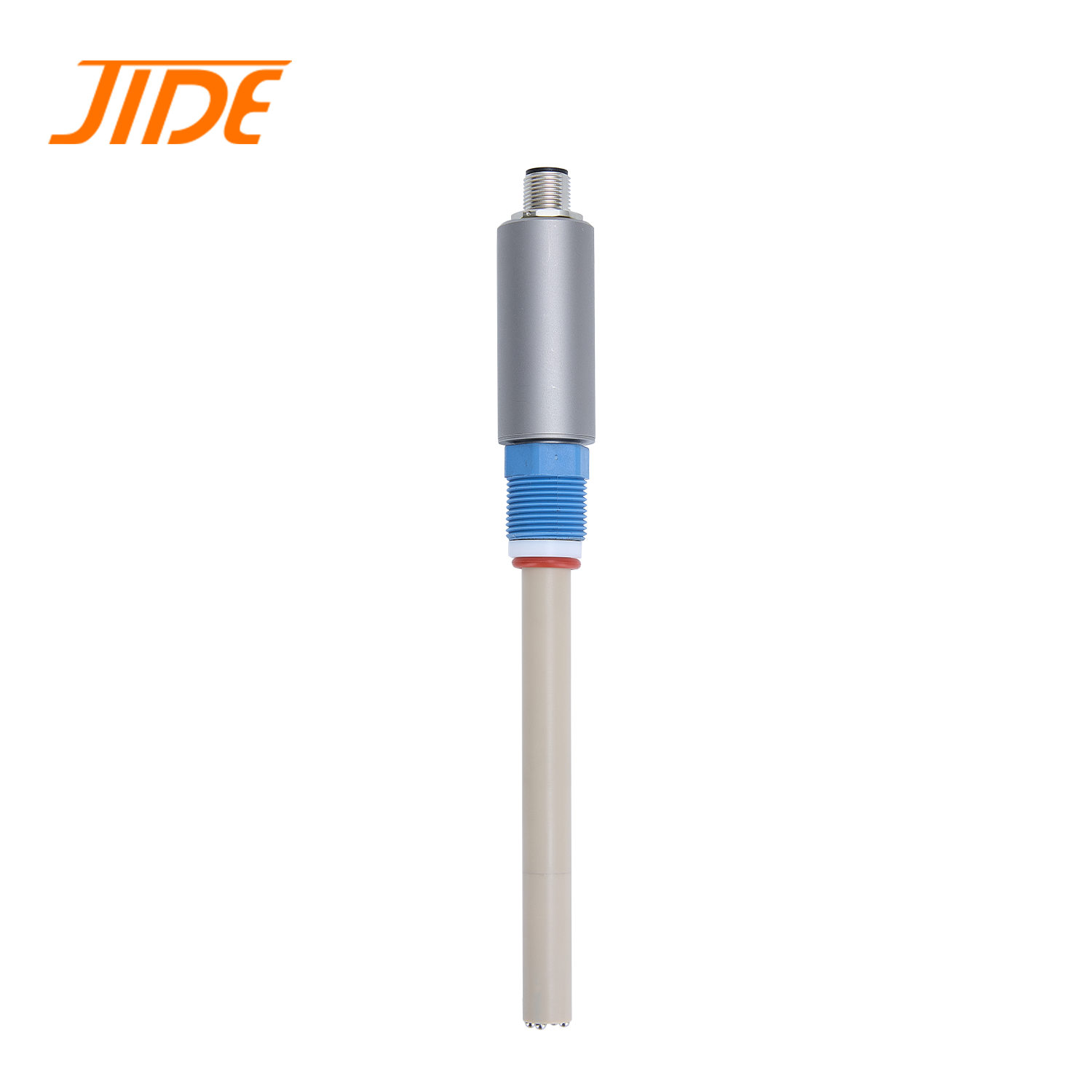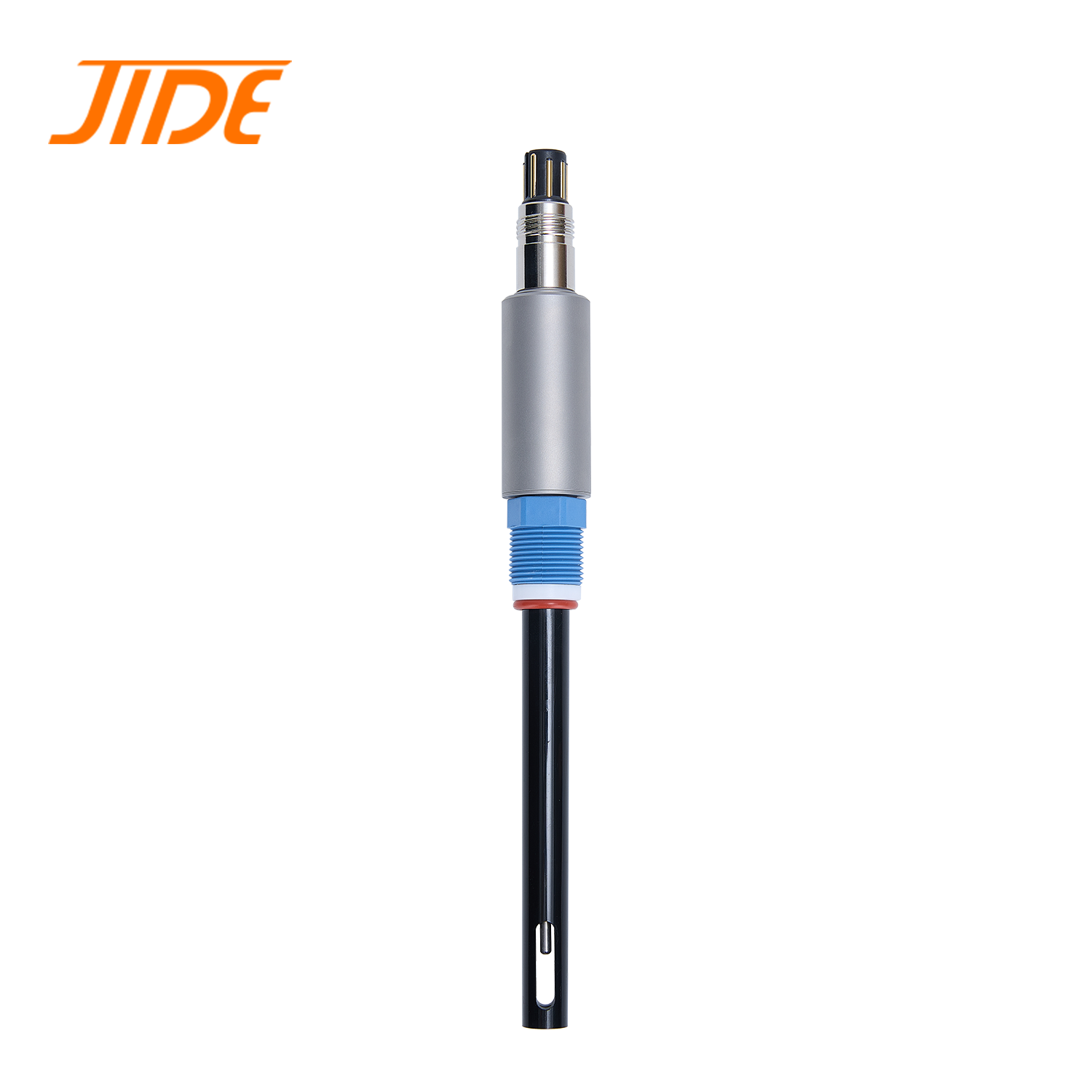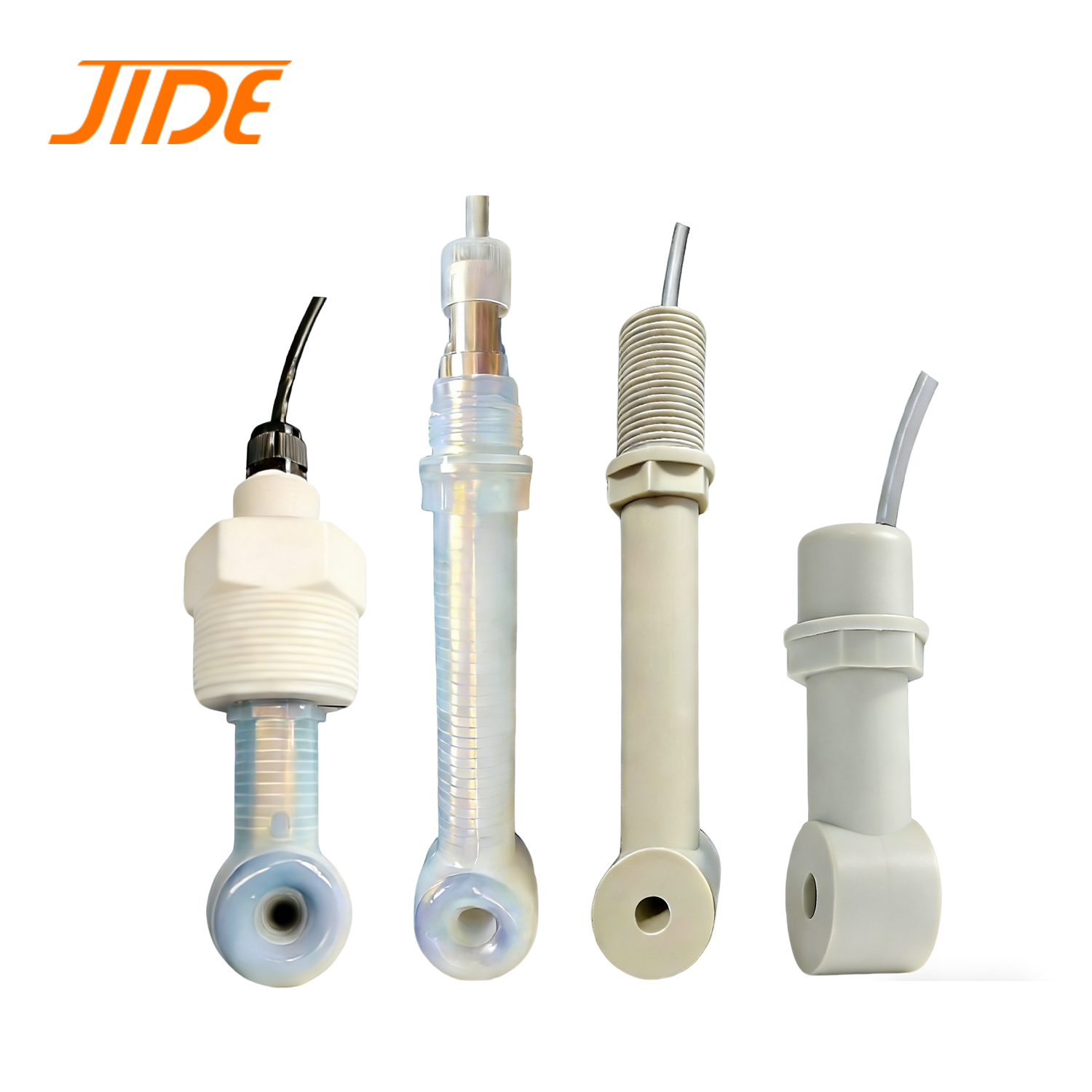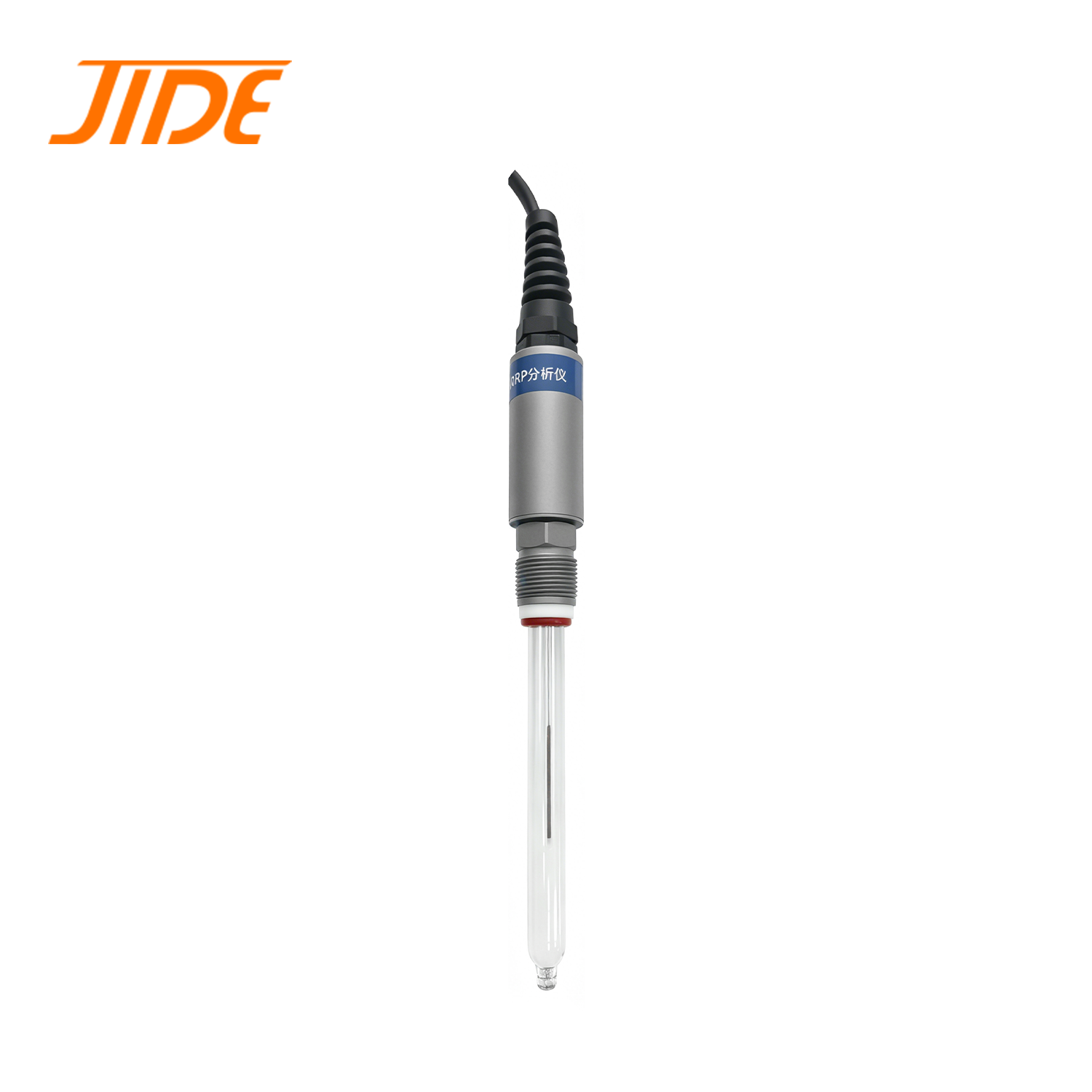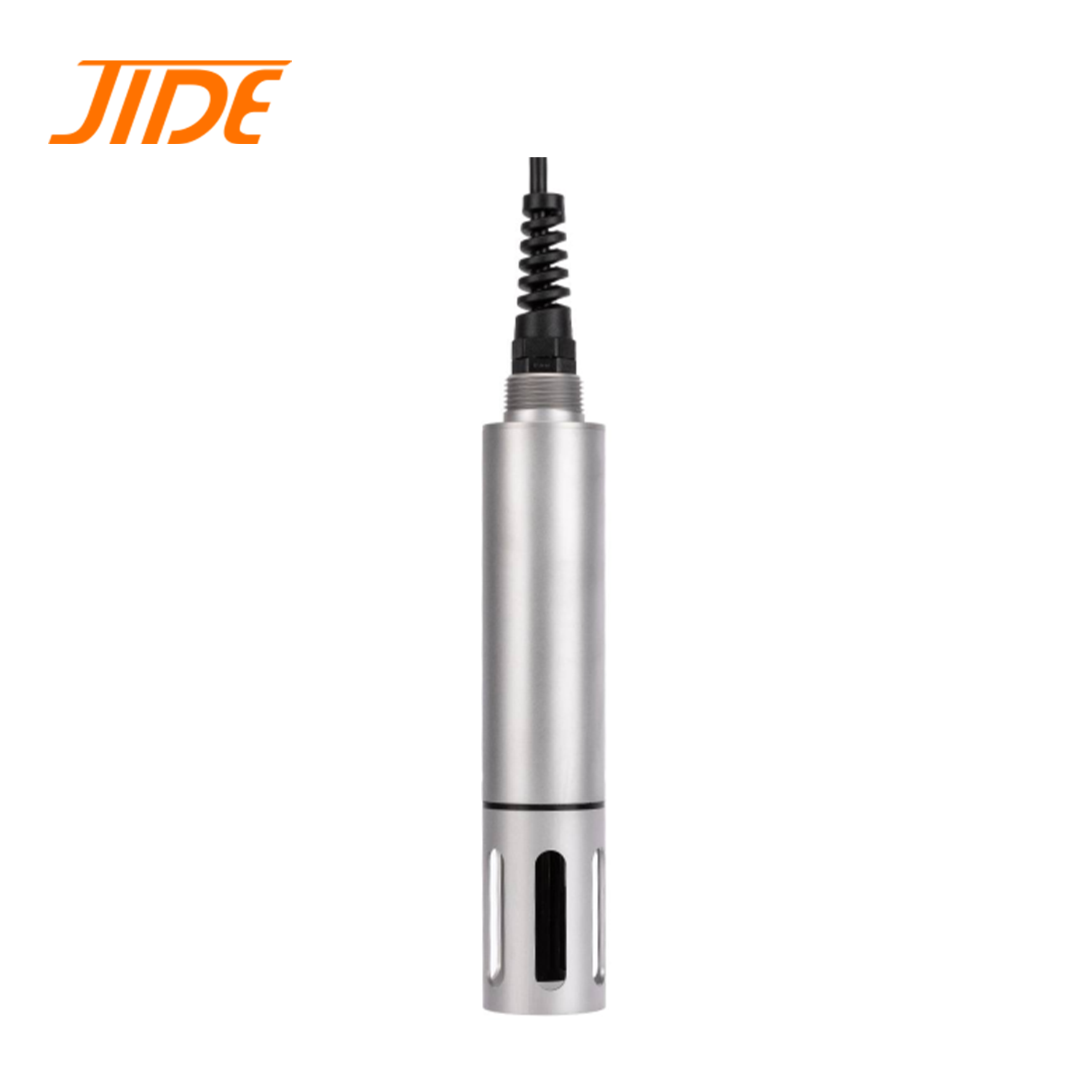
Inductive Conductivity Sensor for Various Industries

All Categories

Inductive conductivity sensor

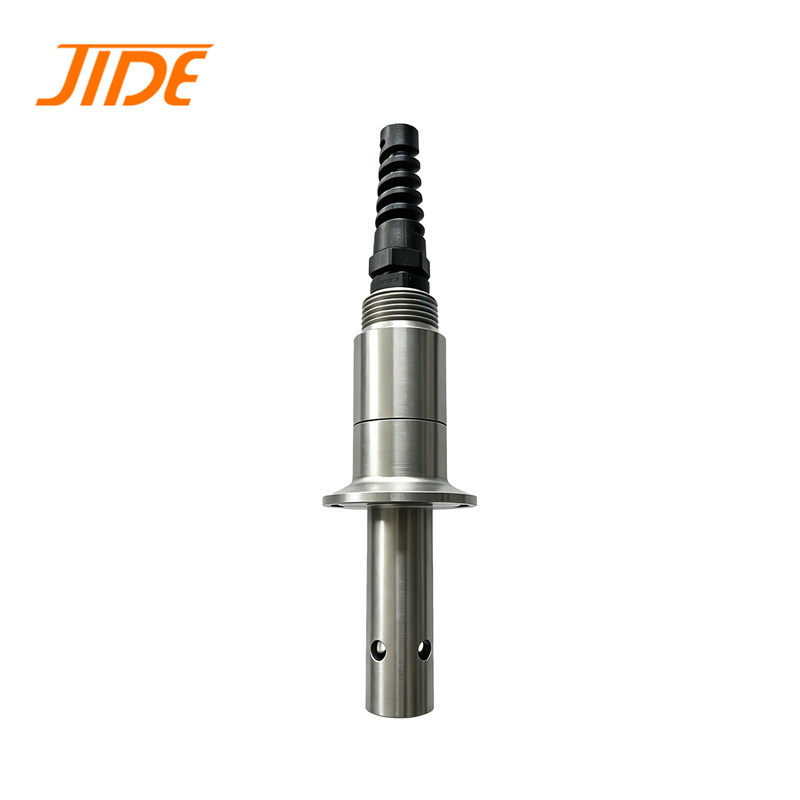
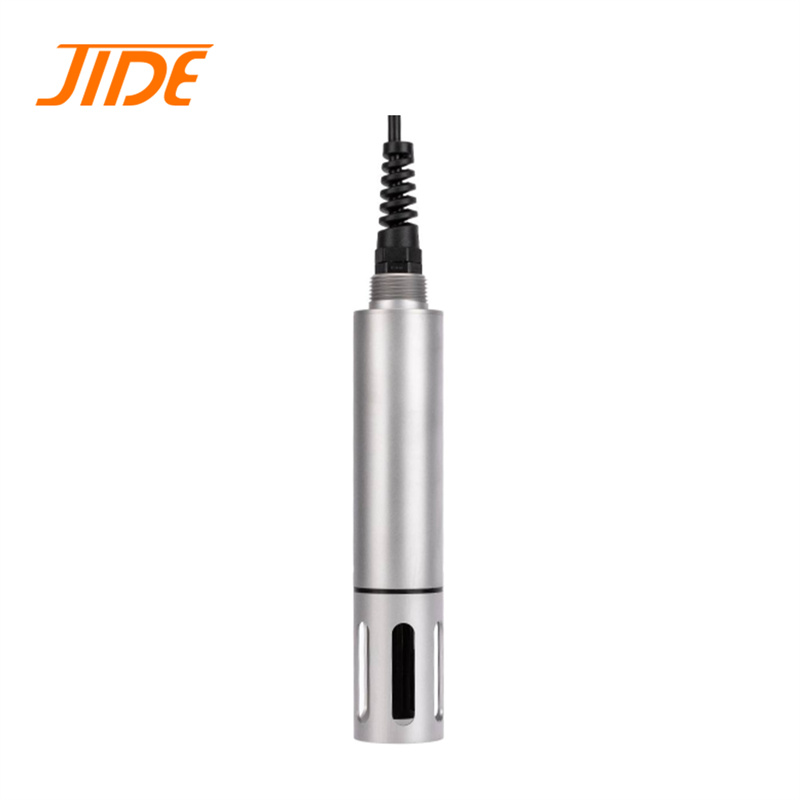
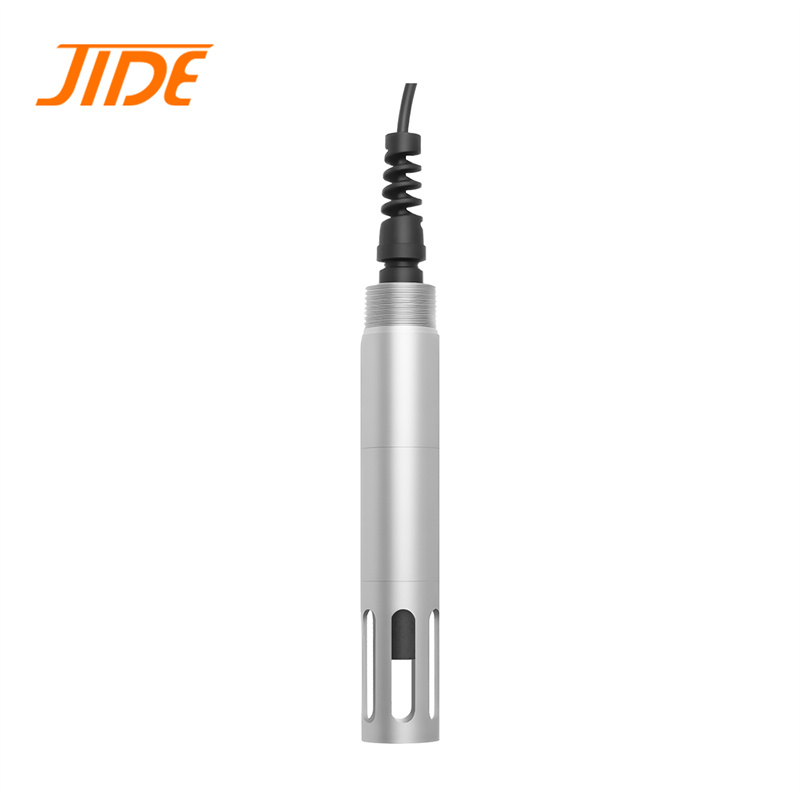
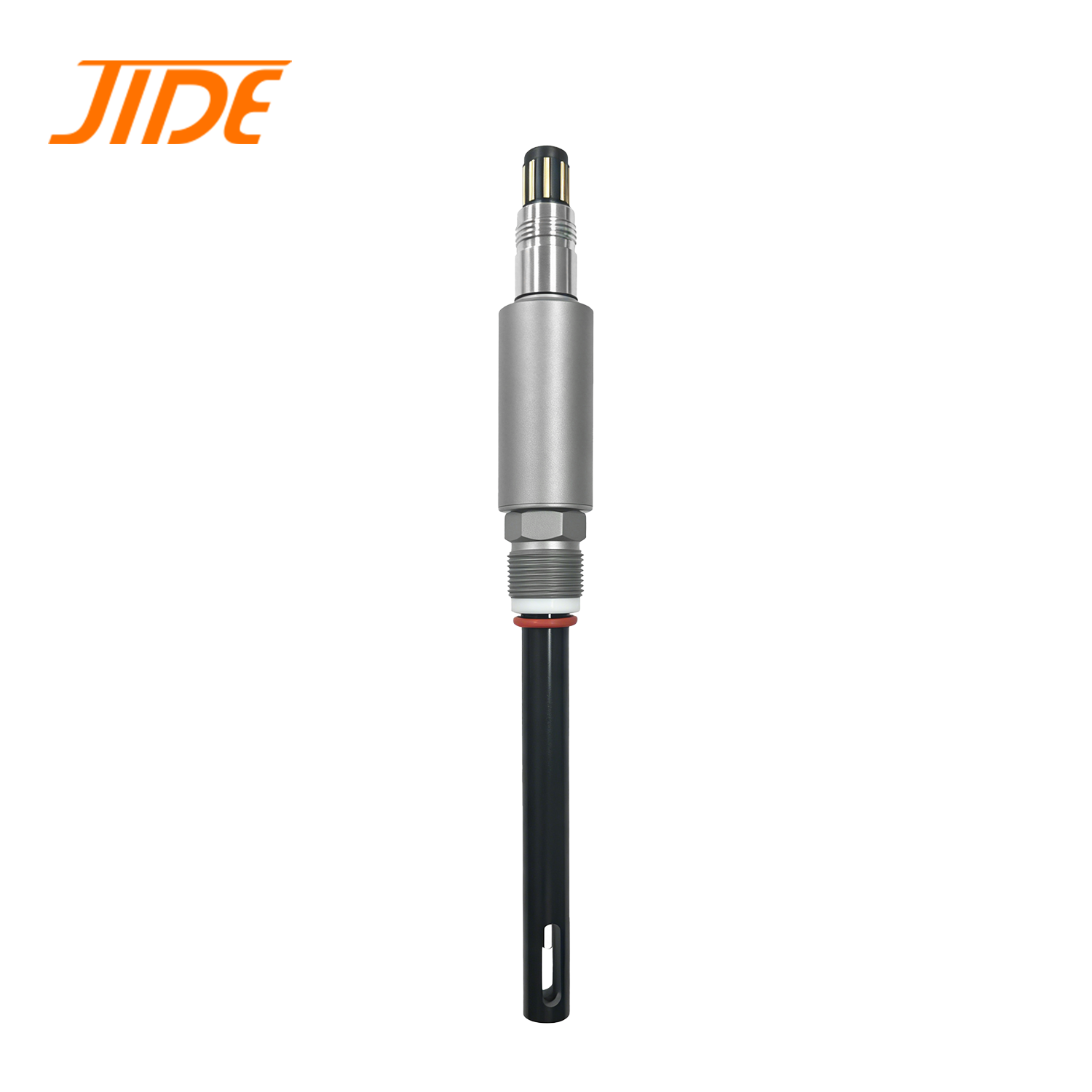
Inductive conductivity sensors are special tools that help measure how well a liquid can conduct electricity. These sensors are often used in industries like water treatment, food production, and chemical manufacturing. They work by sending a small electric current through the liquid. If the liquid can conduct electricity well, it means it has certain properties that are important for various processes. For example, pure water has low conductivity, while salty water has high conductivity. Knowing the conductivity of a liquid can help people make better decisions about how to use it. Our company, JIDE, makes reliable electronic ph sensor that can help you get accurate readings for your needs.
Our Products

How to Choose the Right Inductive Conductivity Sensor for Your Needs

When you're looking for the right inductive conductivity sensor, there are a few important things to think about. First, consider the type of liquid you'll be testing. Some sensors work better with specific liquids, like water with minerals or even oils. Next, look at the temperature range. Some sensors can only work in certain temperatures. If your liquid is very hot or very cold, you need a sensor that can handle those conditions. Also, think about how easy the sensor is to install and use. Some sensors need special tools or training, while others are simple and user-friendly. Finally, check the accuracy and reliability. You want a sensor that gives you good and consistent results every time. JIDE offers a range of sensors that meet different needs, so you can find the perfect fit for your project.

Frequently Asked Questions

What is an inductive conductivity sensor?

An inductive conductivity sensor measures liquid conductivity without electrodes, using electromagnetic induction. It is ideal for corrosive or fouling fluids and provides stable, low-maintenance readings for industrial and environmental monitoring.
Suitable for water treatment, chemical processing, wastewater monitoring, cooling systems, and other industrial processes where corrosive or particulate-laden fluids require reliable conductivity measurement.
Install perpendicularly in a piping section or tank with recommended straight-run lengths. Follow flow direction markings, secure mounting, and connect to compatible transmitters or our water quality monitors for power and signal.
Minimal maintenance—periodic visual inspections and occasional cleaning of build-up. No electrode replacement needed. Calibrate or verify periodically according to process requirements and company quality control guidelines.
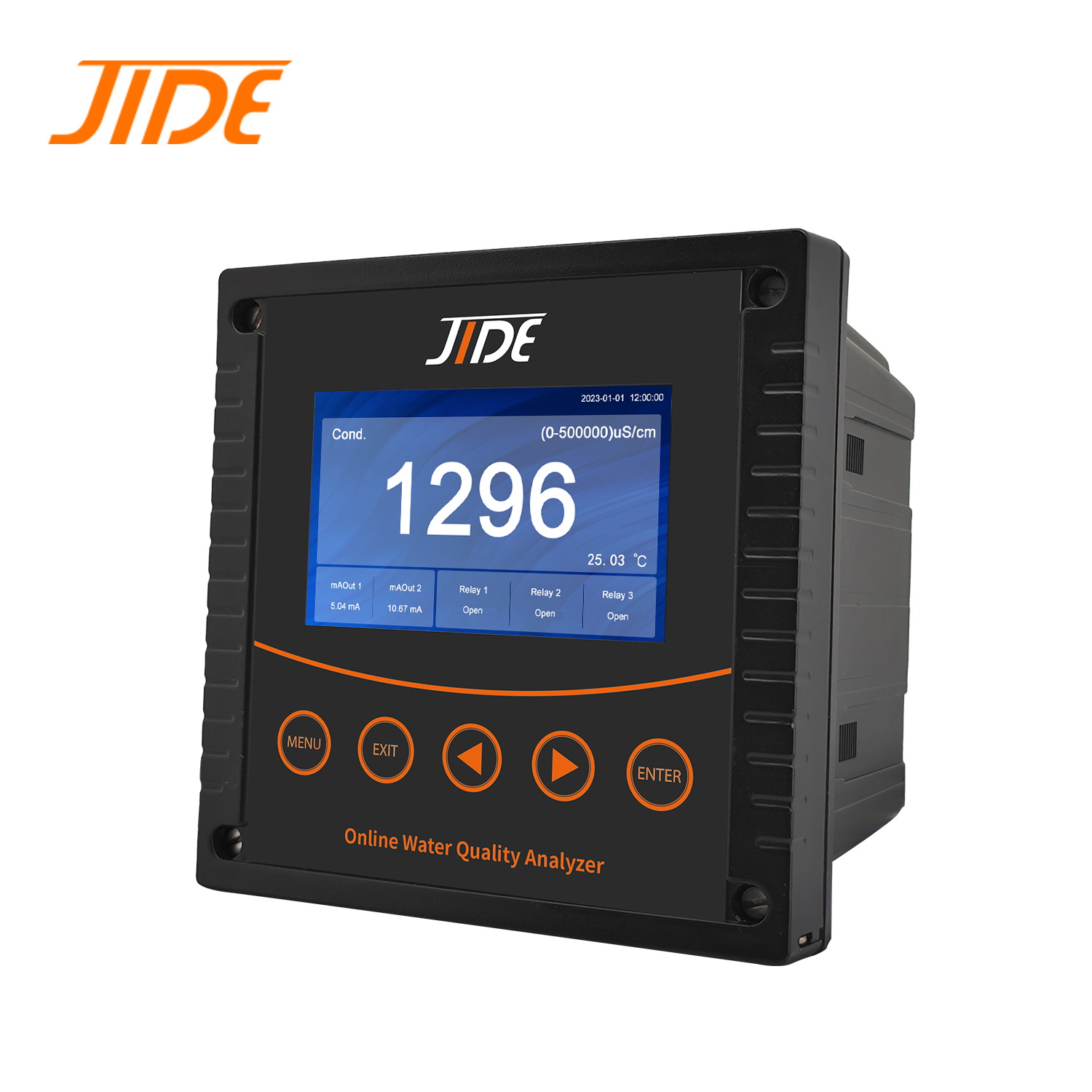
Offers standard analog and digital outputs compatible with common transmitters and control systems. Integrates with our water quality monitors and process control equipment; contact our RD team for custom interface options.

Our Blog Posts

Real-Time Online Water Quality Monitoring System Overview

02

Jul

Real-Time Online Water Quality Monitoring System Overview

Water is essential for life, and knowing how clean it is makes a big difference. That’s where JIDE comes in. We create systems that check water quality in real-time. This means we can see what’s happening to the water right now, not just later. It he...
View More
Top Rated PH Sensor for Industrial Water Quality Monitoring

06

Jul

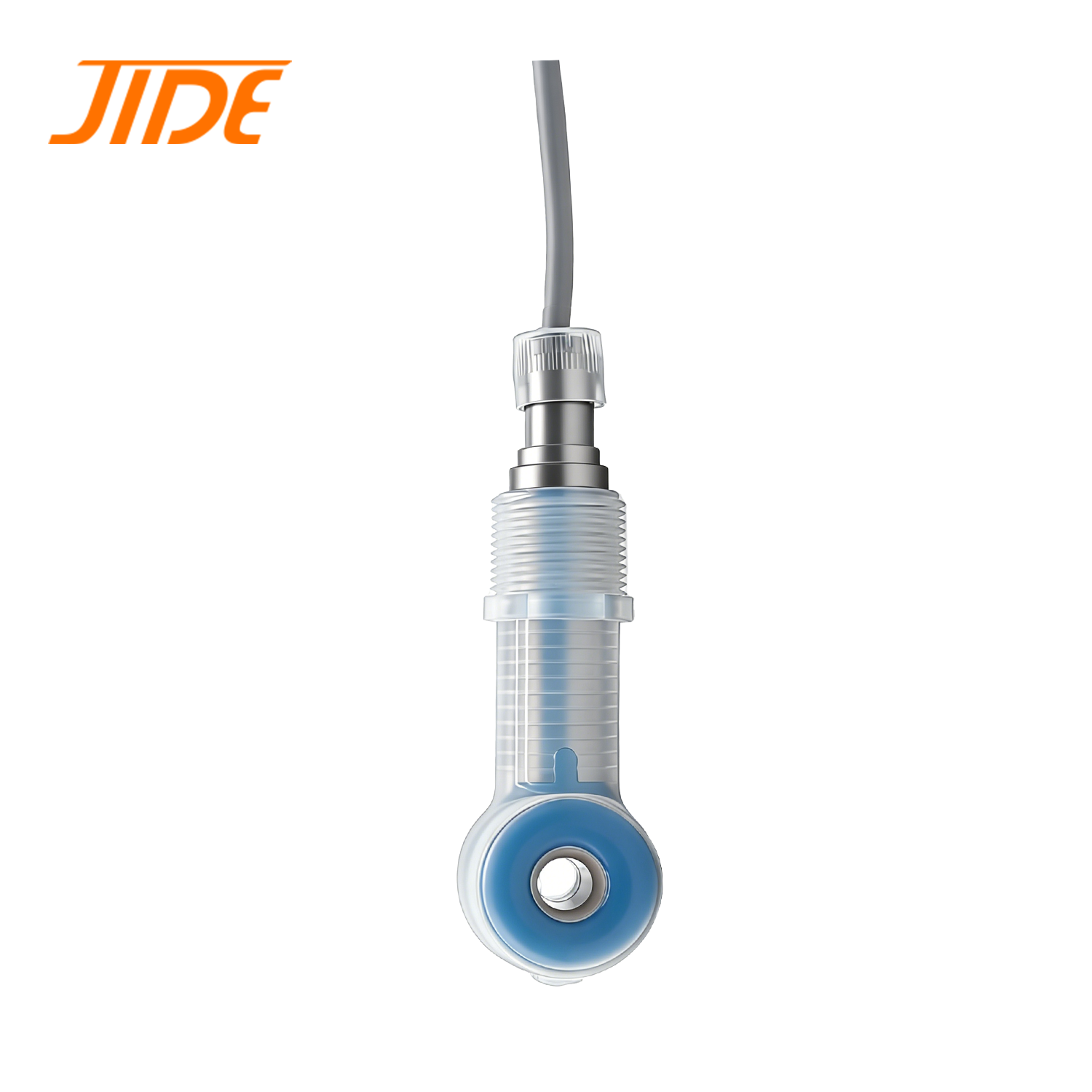
Top Rated PH Sensor for Industrial Water Quality Monitoring

Water quality is very important in industries. Many businesses need clean water for their processes. One way to check the quality of water is by using a pH sensor. JIDE makes top-rated pH sensors that help industries monitor water quality. These sens...
View More
High Precision Conductivity Sensor for Water Treatment Systems

07

Jul

High Precision Conductivity Sensor for Water Treatment Systems

Water is essential for life, and treating it properly is very important. To make sure water is clean and safe, many systems are used in treatment plants. One important tool in these systems is the high precision conductivity sensor. This sensor helps...
View More
Reliable DO Sensor for Dissolved Oxygen Detection in Aquaculture

09

Jul

Reliable DO Sensor for Dissolved Oxygen Detection in Aquaculture

What Are the Latest Trends in DO Sensor Technology for Aquaculture? Keeping fish and shrimp healthy in ponds or tanks is very important. Dissolved oxygen is a big part of that. Fish and other sea creatures need oxygen to breathe, just like we do...
View More

Get a Free Quote

Our representative will contact you soon.
Email
Name
Company Name
Message
0/1000

Related product categories

What Are the Key Benefits of Using Inductive Conductivity Sensors?

What Are the Key Benefits of Using Inductive Conductivity Sensors?

Using inductive conductivity sensors has many benefits. One big advantage is that they give you fast results. This means you can make quick decisions based on the data you receive. Also, they are very accurate, which is essential in industries where even a little mistake can cause problems. For instance, in water treatment, knowing the right conductivity can help ensure the water is safe for people to drink. Another benefit is the durability of these sensors. They are built to last, so you won’t have to replace them often, saving you money in the long run. Plus, using these glass electrode ph sensor can help you meet quality and safety standards in your industry. With our sensors, you can trust that you are getting a quality product that helps you keep your operations running smoothly.

How Inductive Conductivity Sensors Improve Process Efficiency

How Inductive Conductivity Sensors Improve Process Efficiency

Inductive conductivity sensors are special devices that help measure how well electricity can flow through different liquids. They use a method called inductive sensing, which means they do not touch the liquid directly. Instead, they create an electric field around the liquid and see how it responds. This method is very helpful because it can give accurate readings without getting dirty or damaged by the liquid. When businesses use inductive conductivity sensors, they can keep track of how well their processes are running. For example, in factories that make food or drinks, these sensors can check the quality of water and other liquids. If the water is not good enough, it can slow down the whole process. With JIDE's inductive conductivity sensors, companies can quickly find out if the liquids meet the right standards. This helps them avoid problems that could waste time and money. If the sensors show that something is wrong, the company can fix it before it causes bigger issues. This means they can work faster and save money in the long run. Better efficiency means happier customers because products are made on time and are of good quality.  Our ph meter sensor can help businesses make quick decisions, reduce waste, and improve their overall process efficiency.

What Industries Benefit Most from Inductive Conductivity Sensors?

What Industries Benefit Most from Inductive Conductivity Sensors?

Many industries can benefit from inductive conductivity sensors, but some really stand out. One of the biggest industries is the food and beverage sector. Companies that make drinks like juice, soda, or even bottled water need to ensure their liquids are clean and safe. If there is something wrong with the liquid, it can lead to bad products and unhappy customers. Our sensors help these companies check their liquids quickly and accurately, which keeps everyone happy. Another industry that uses these sensors is the chemical industry. Many factories create chemicals that are used in everyday products, like cleaning supplies and beauty products. These chemicals must be mixed just right, and that’s where inductive conductivity sensors come in. They help monitor the mixtures to ensure everything is safe and effective. The pharmaceutical industry also benefits a lot from these sensors. Making medicines requires careful measurements and clean environments. Our sensors can help keep track of the liquids used in making drugs, ensuring they are safe for people to use. Finally, the water treatment industry uses these sensors to check the quality of water. Clean water is crucial for everyone, so having a reliable way to measure its quality is very important. Overall, many industries can use our inductive conductivity sensors to improve their processes and make sure everything runs smoothly.

Choose your global partner

Are you ready to consult with an engineer about your working conditions and specific needs?

Get a Quote

Get a Free Quote

Our representative will contact you soon.
Email
Name
Company Name
Message
0/1000