 EN
EN
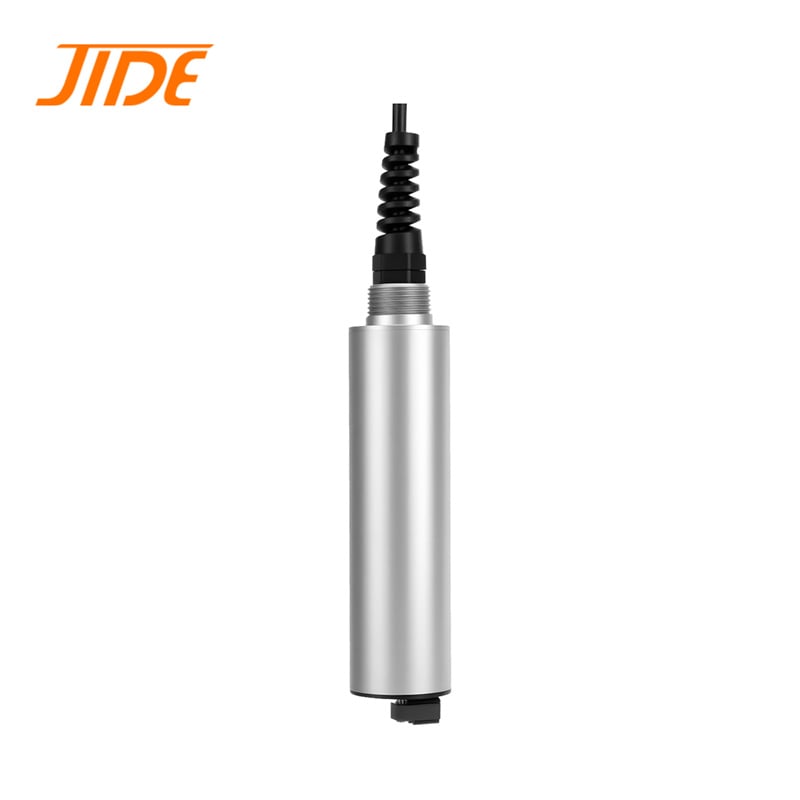
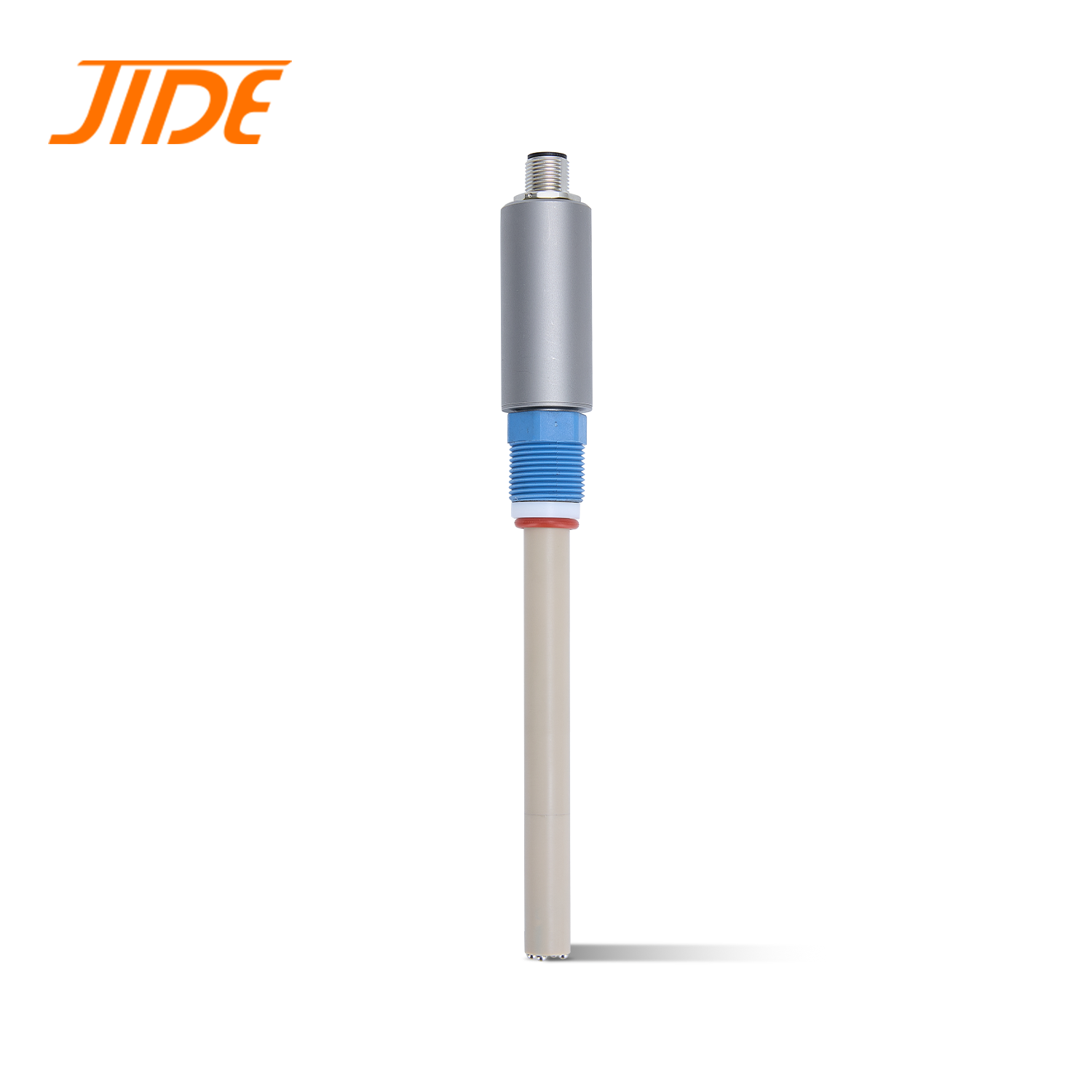
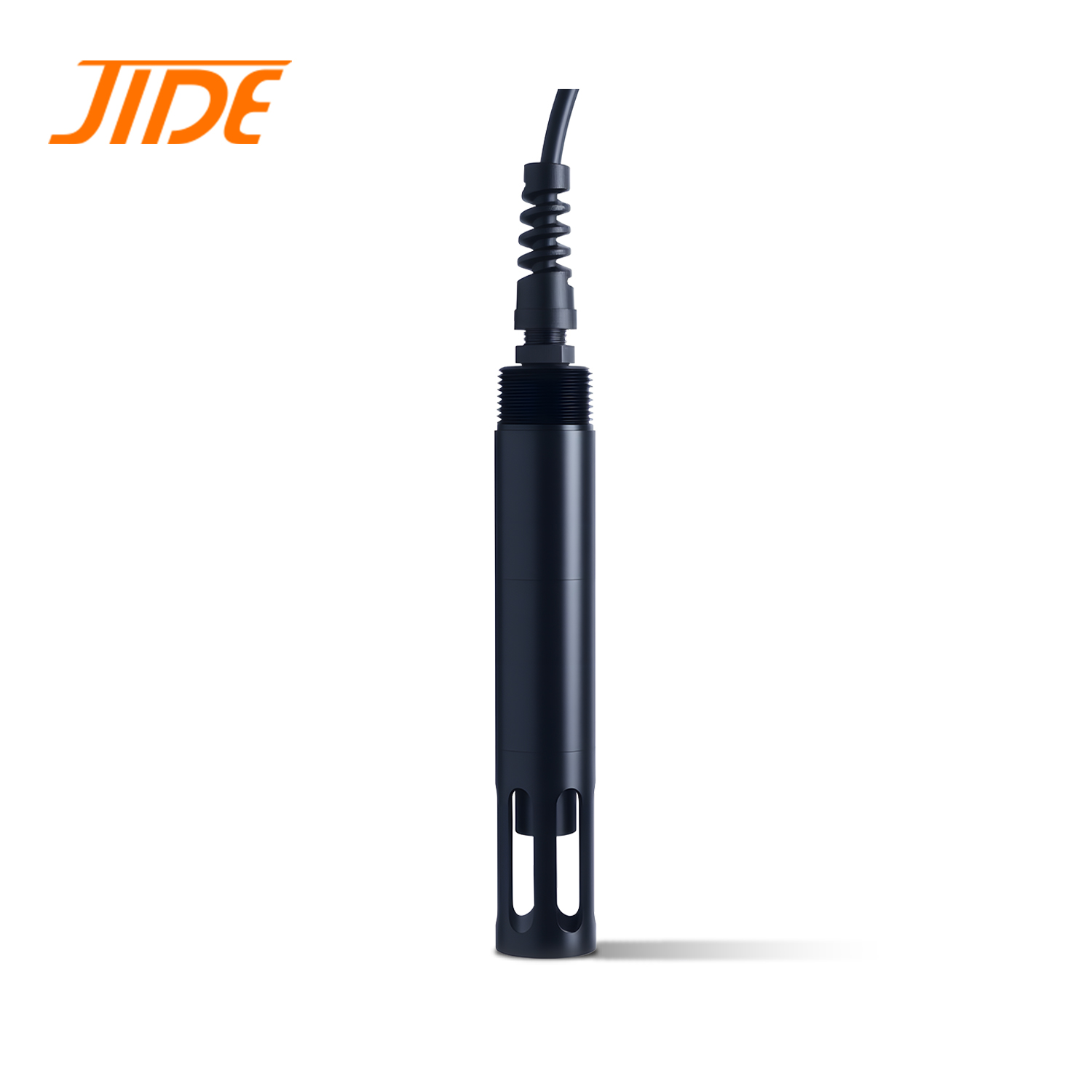
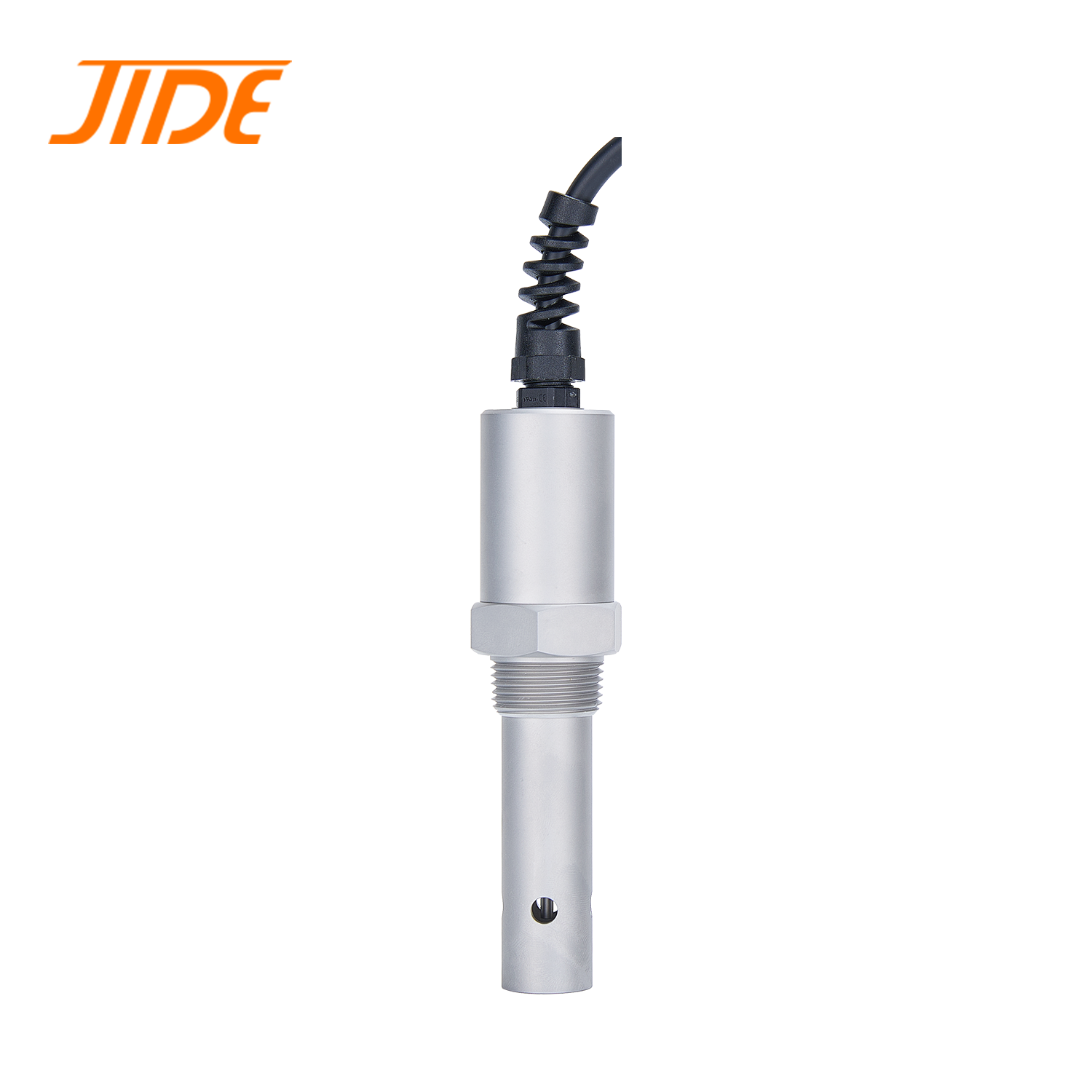
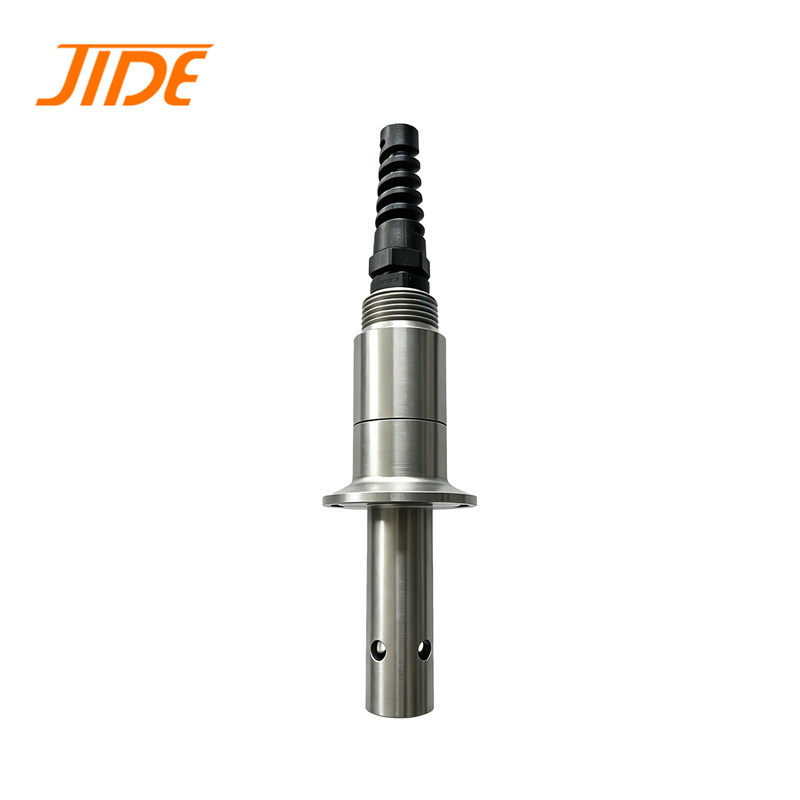
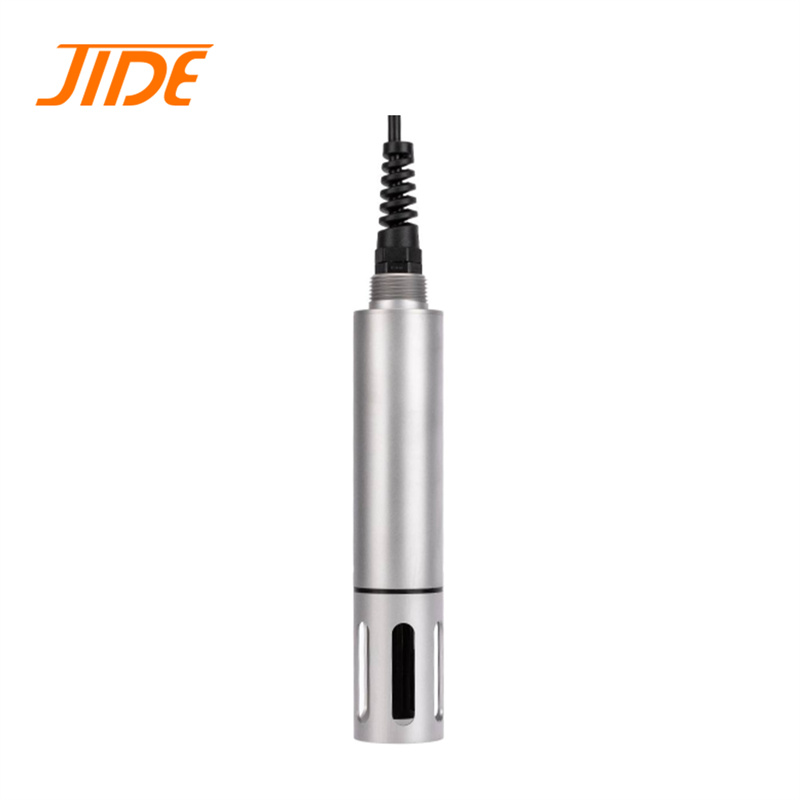
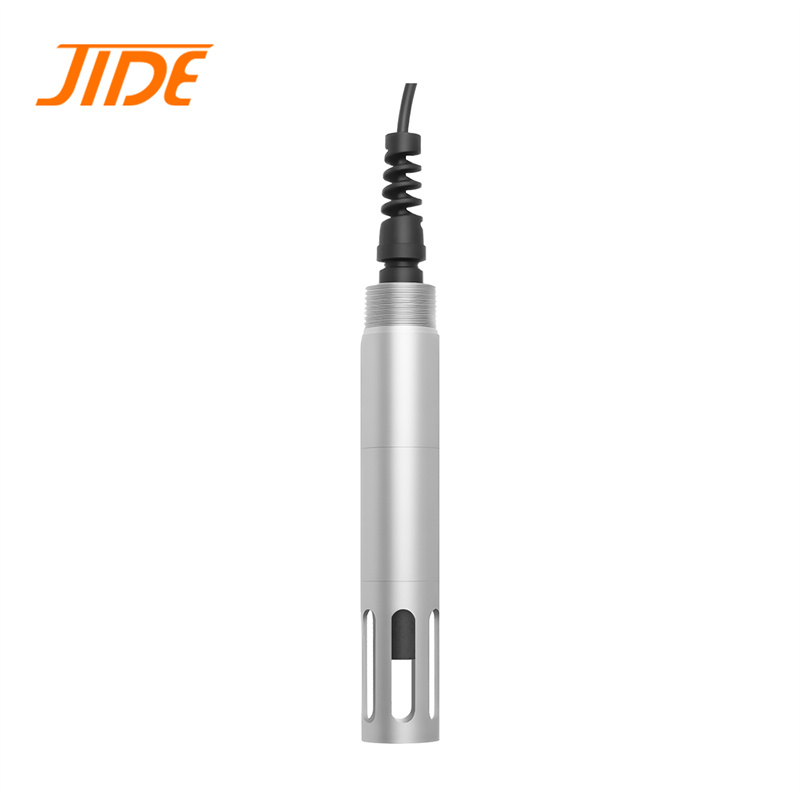
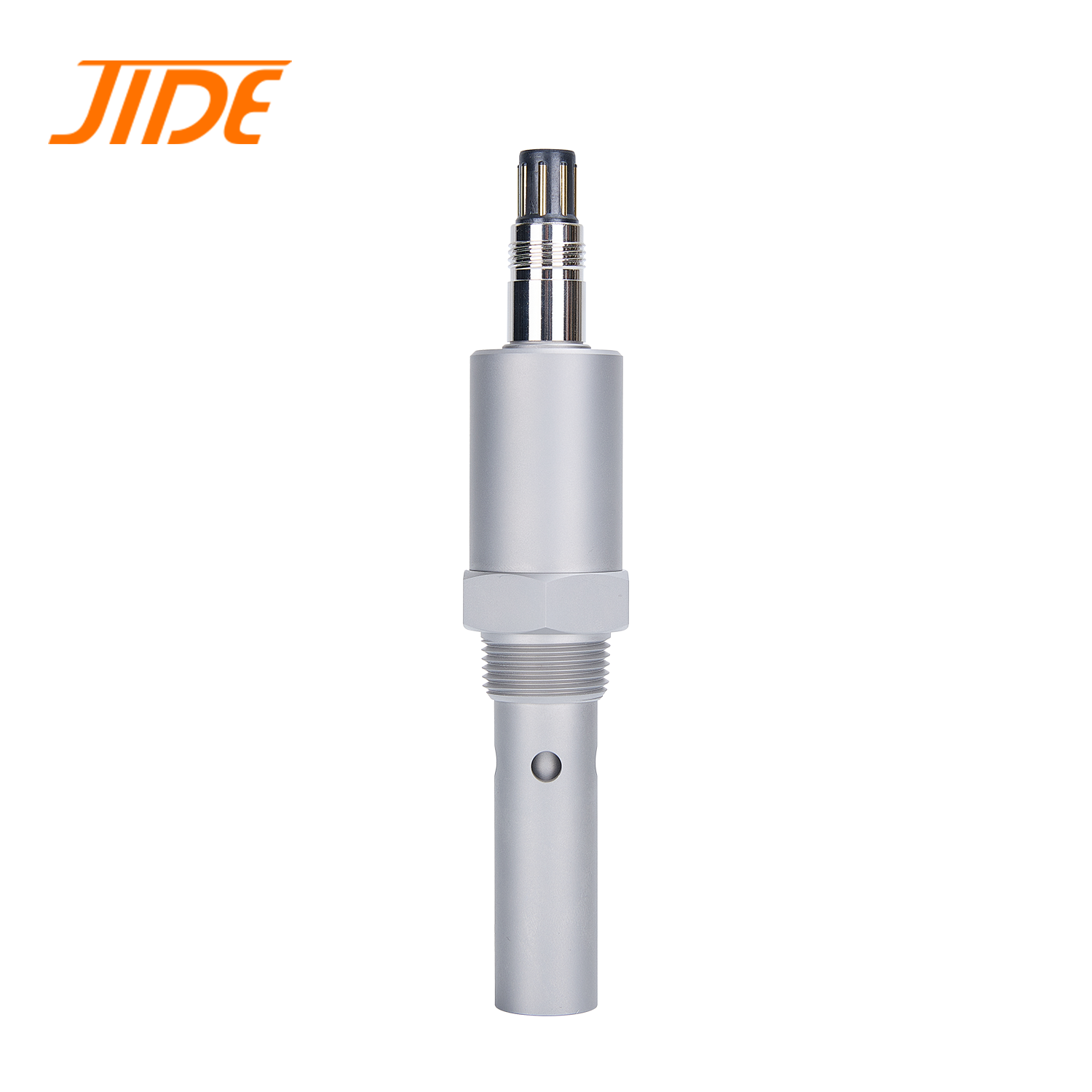
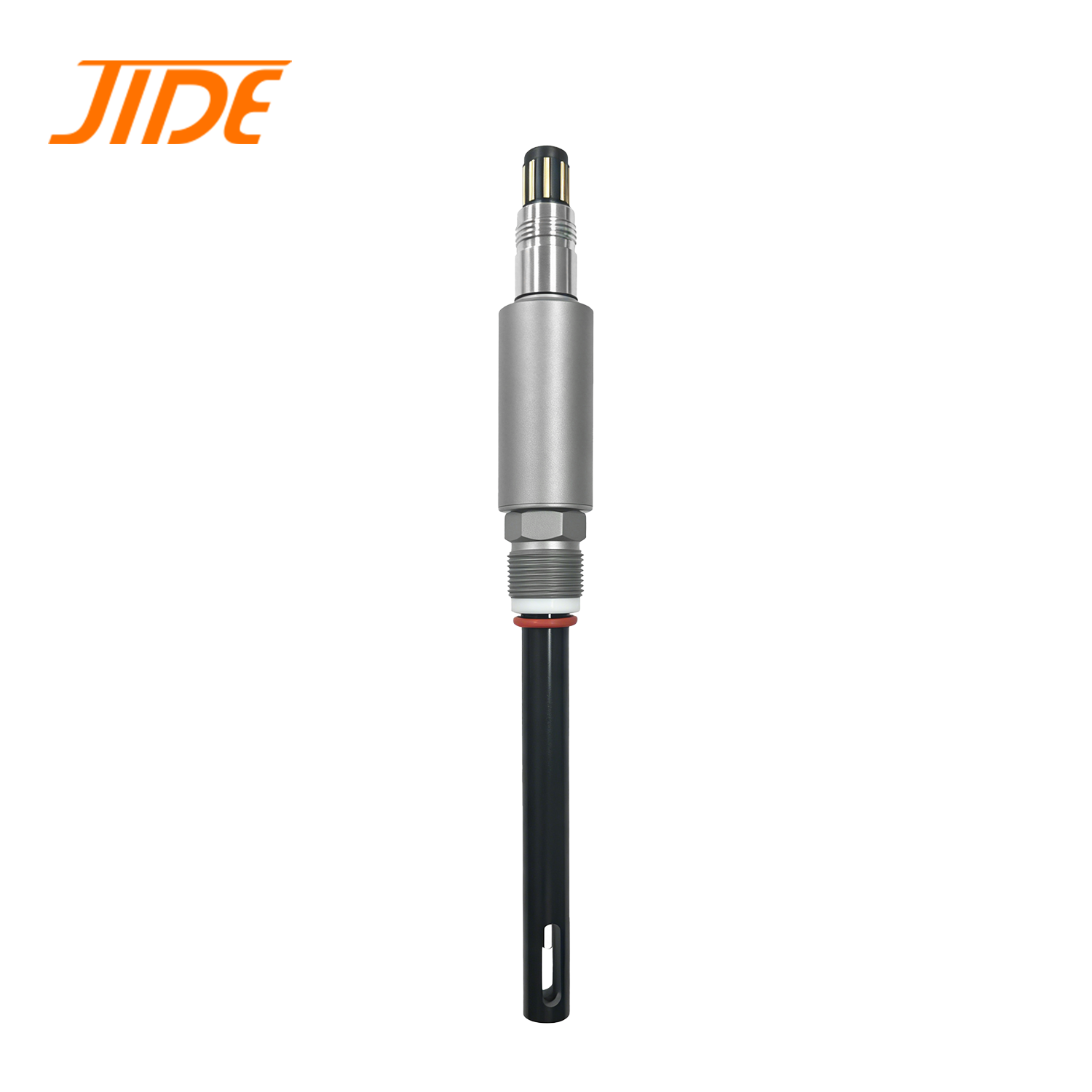
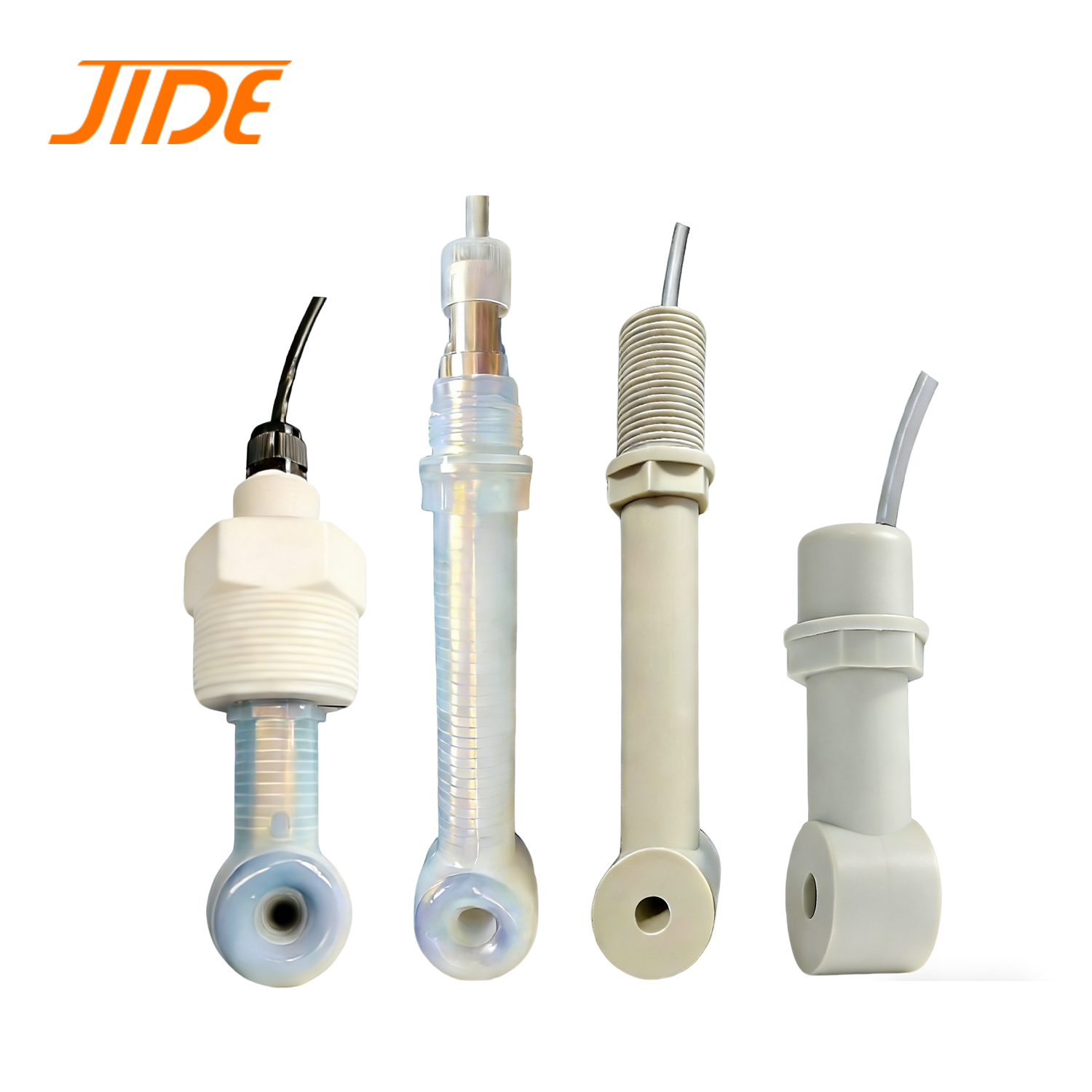
Choosing the best inline conductivity sensor can be tricky, but it doesn’t have to be! First, think about what kind of liquid you will be measuring. Different liquids conduct electricity differently. For example, salty water conducts electricity well, while pure water does not. Knowing your liquid helps you pick the right sensor. Next, you should consider the temperature and pressure of the liquid. Some sensors work better in high temperatures, while others are designed for lower temperatures. It’s important to match the sensor to your needs. Also, look at the range of conductivity the sensor can measure. If you need to monitor very low or very high conductivity, make sure the sensor can handle that range. Another thing to keep in mind is the installation process. Some sensors are easier to install than others. If you are not an expert, look for a sensor that comes with good instructions or support from the manufacturer. Lastly, think about the costs. Prices can vary widely. While you want a good sensor, you also need to stay within your budget. JIDE offers a variety of inline conductivity sensor that fit different needs and budgets. Researching and comparing options can really help you find the best sensor for your situation.
Real-Time Online Water Quality Monitoring System Overview
Water is essential for life, and knowing how clean it is makes a big difference. That’s where JIDE comes in. We create systems that check water quality in real-time. This means we can see what’s happening to the water right now, not just later. It he...
View More