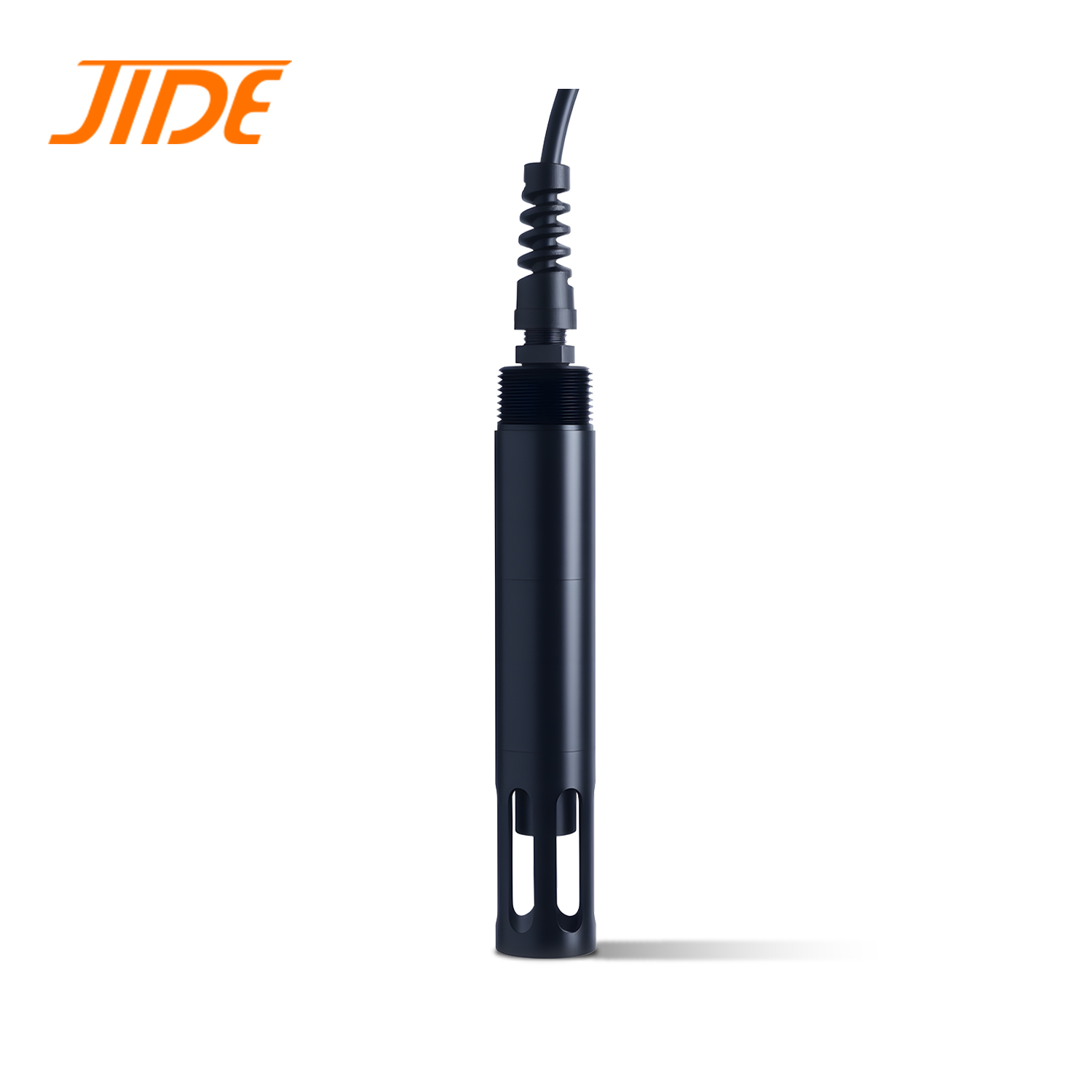
Essential GF Conductivity Sensors for Water Quality

All Categories

Gf conductivity sensor

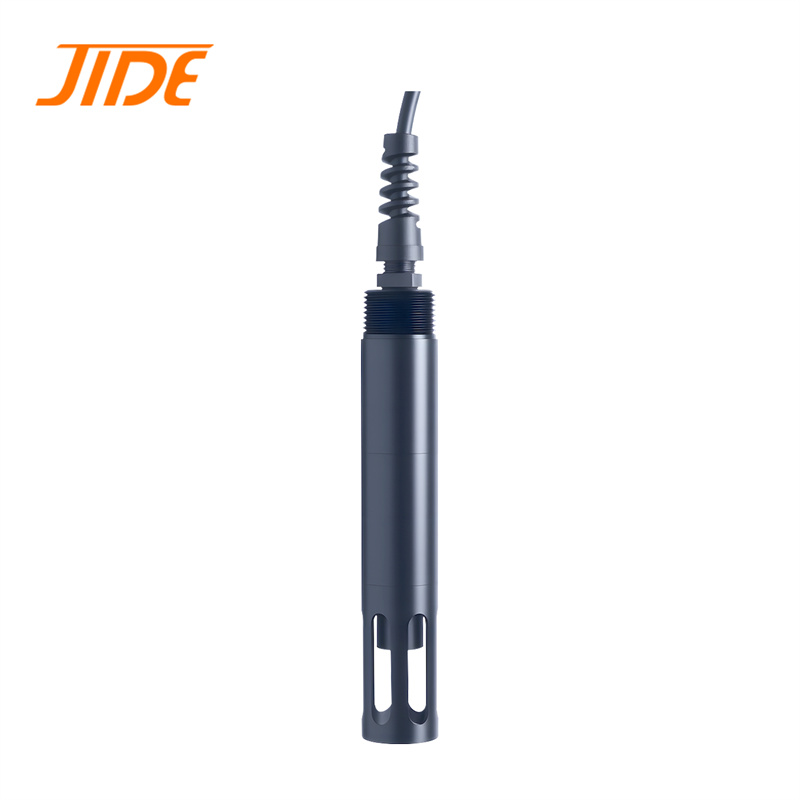
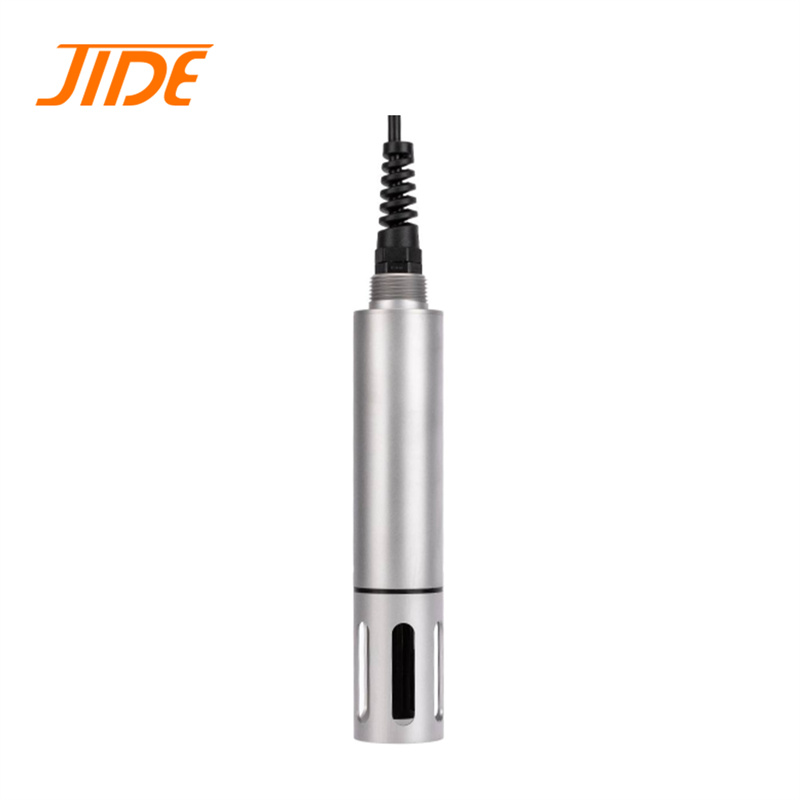
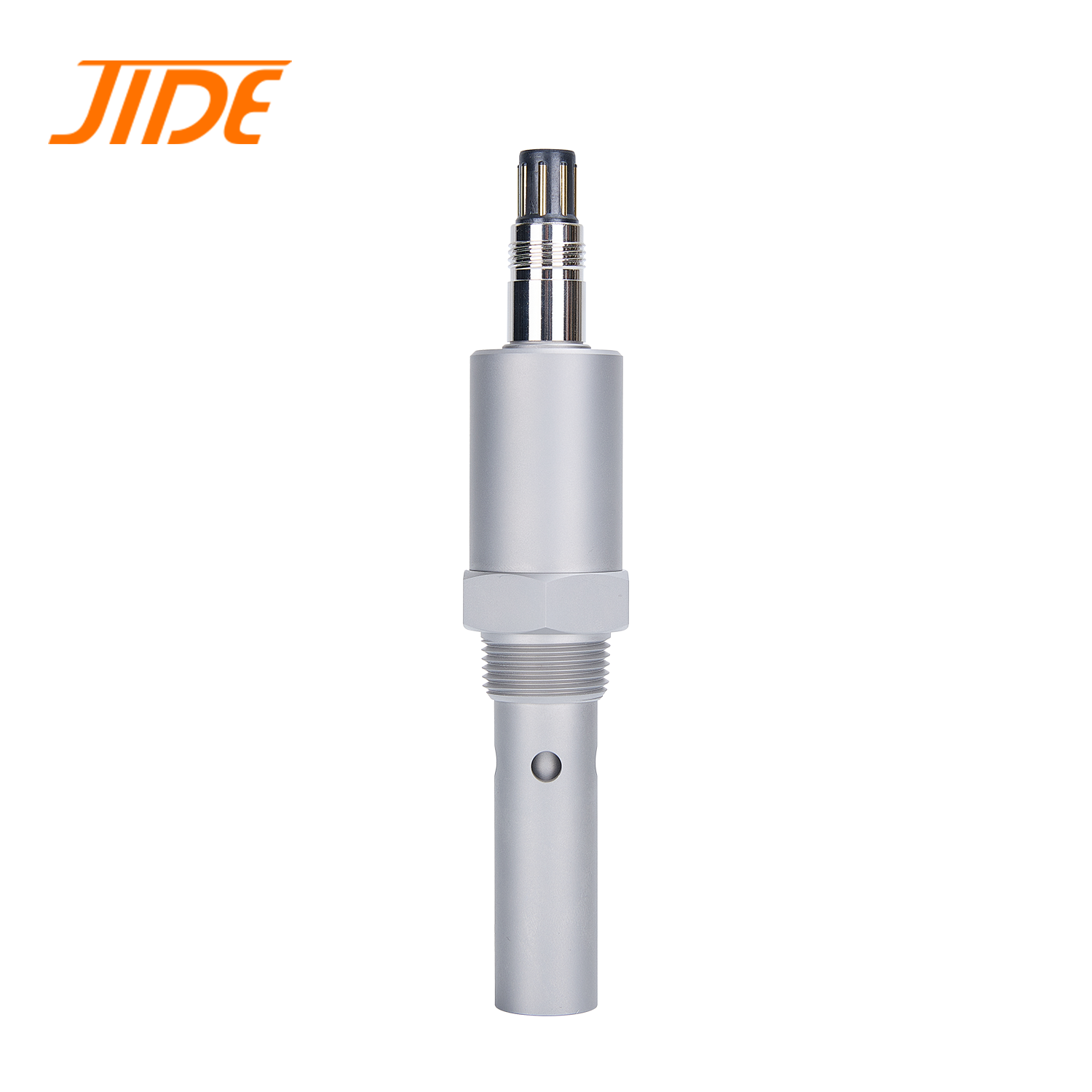
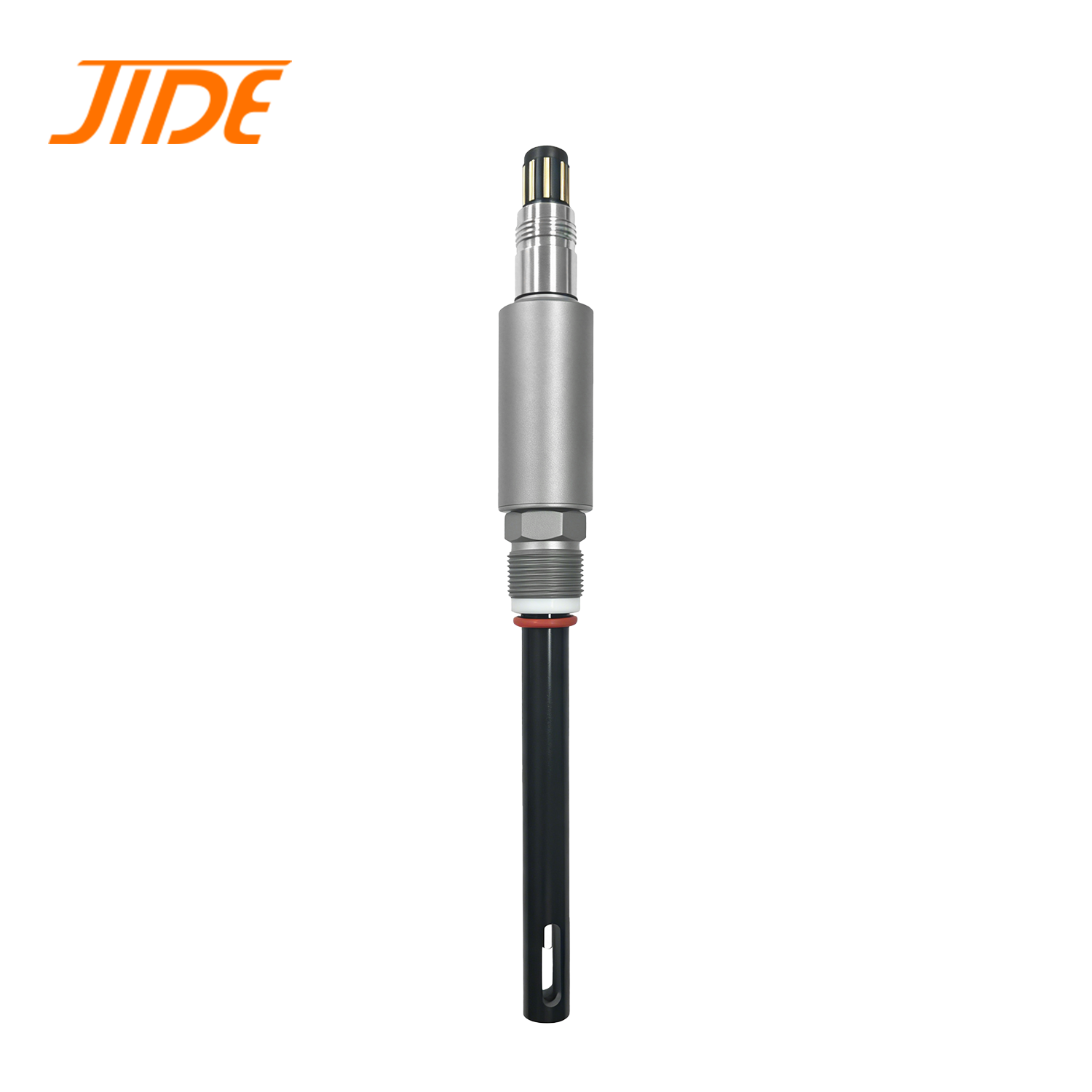
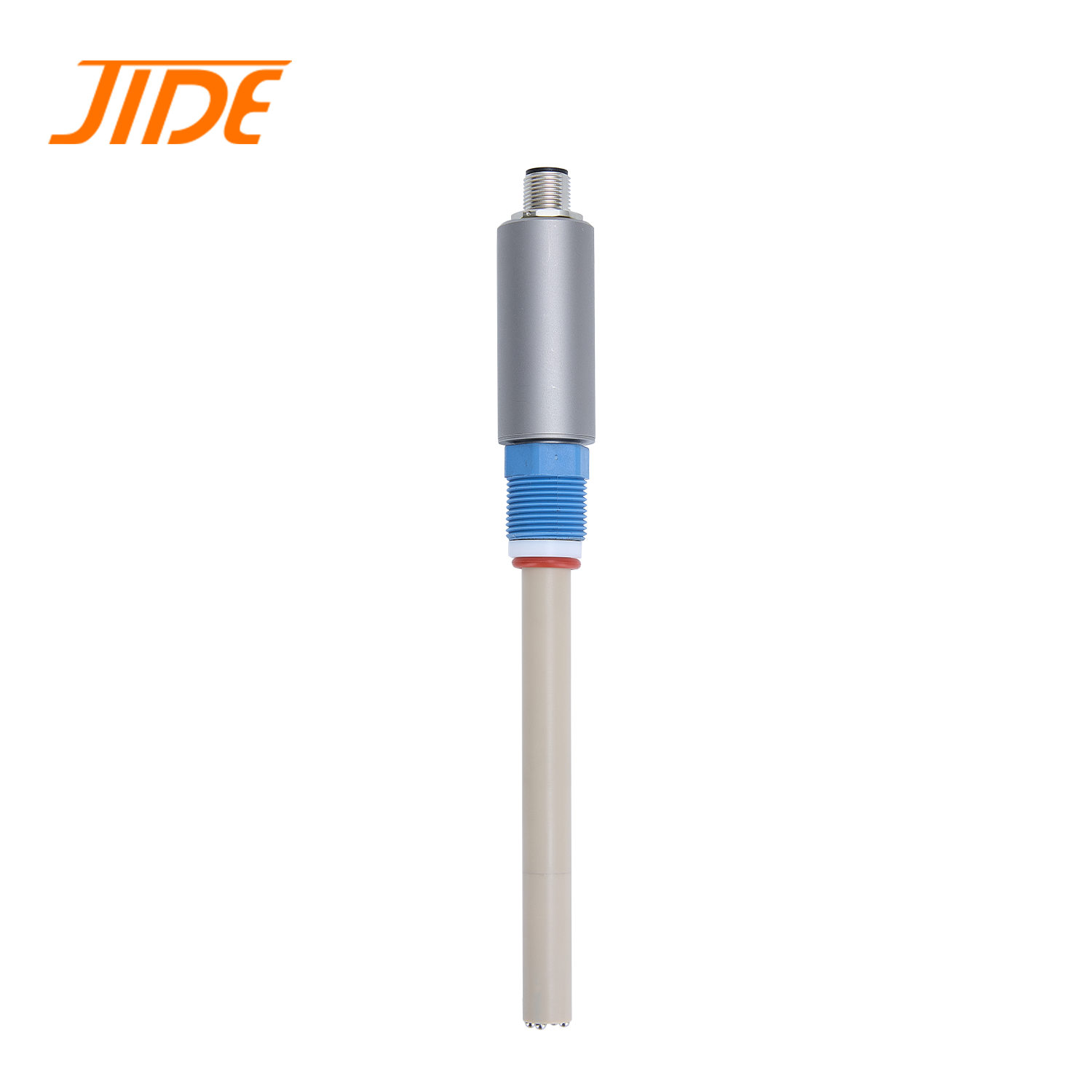
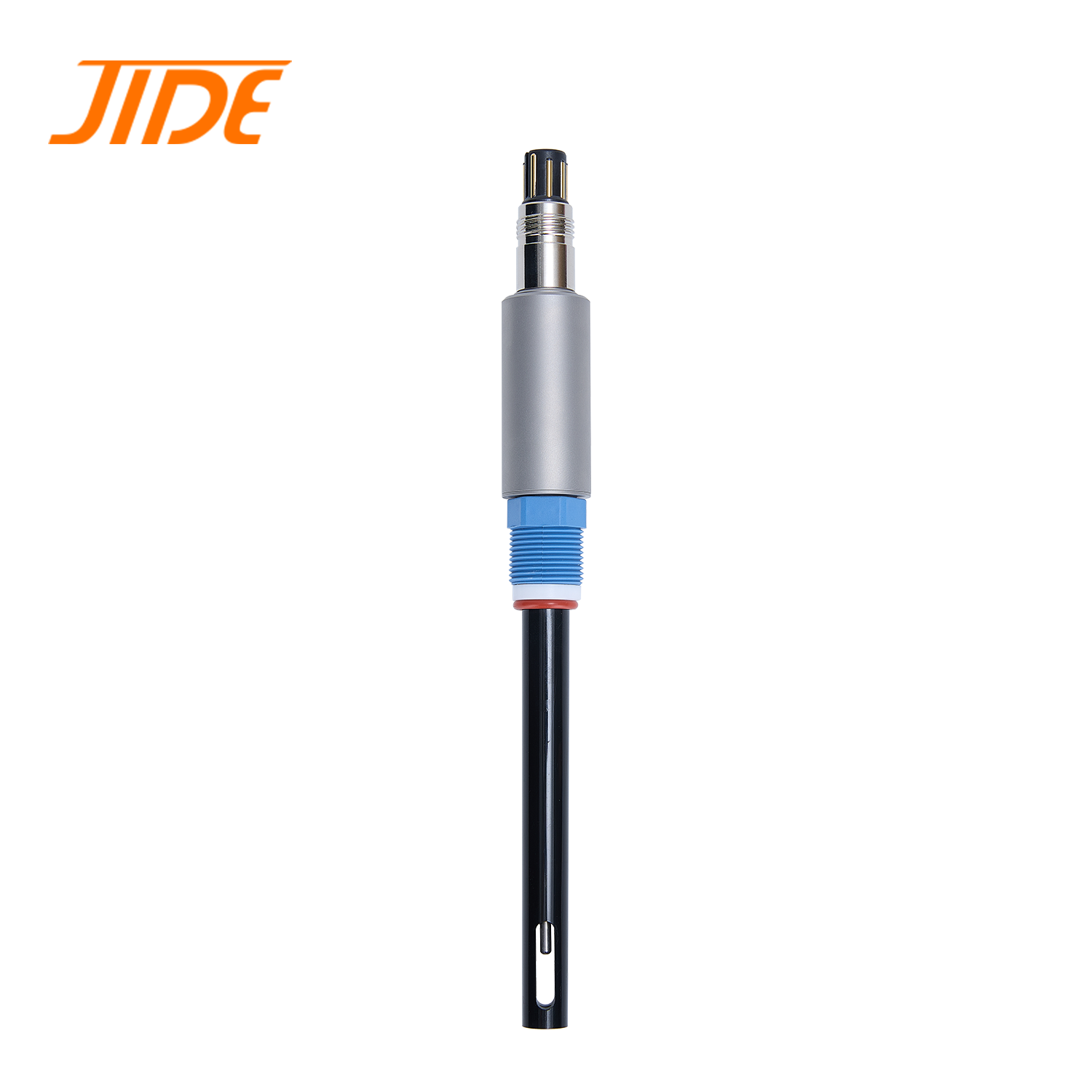
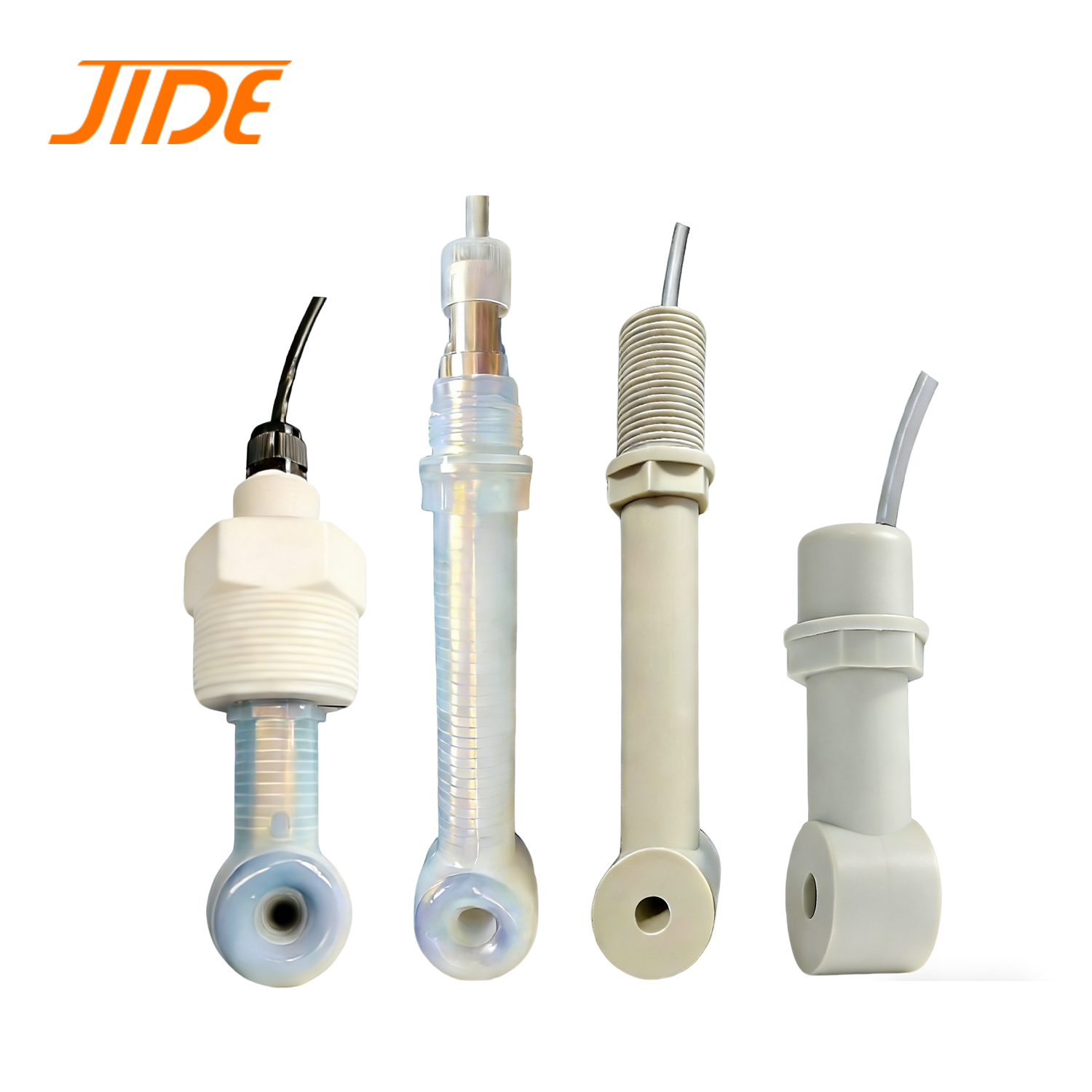
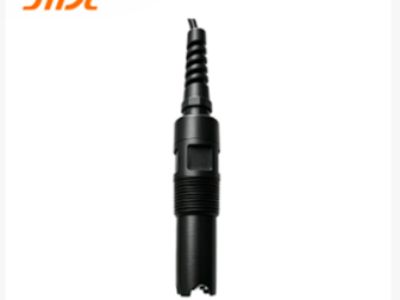
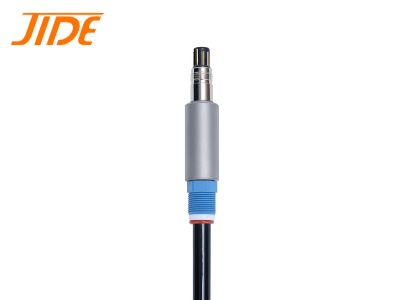
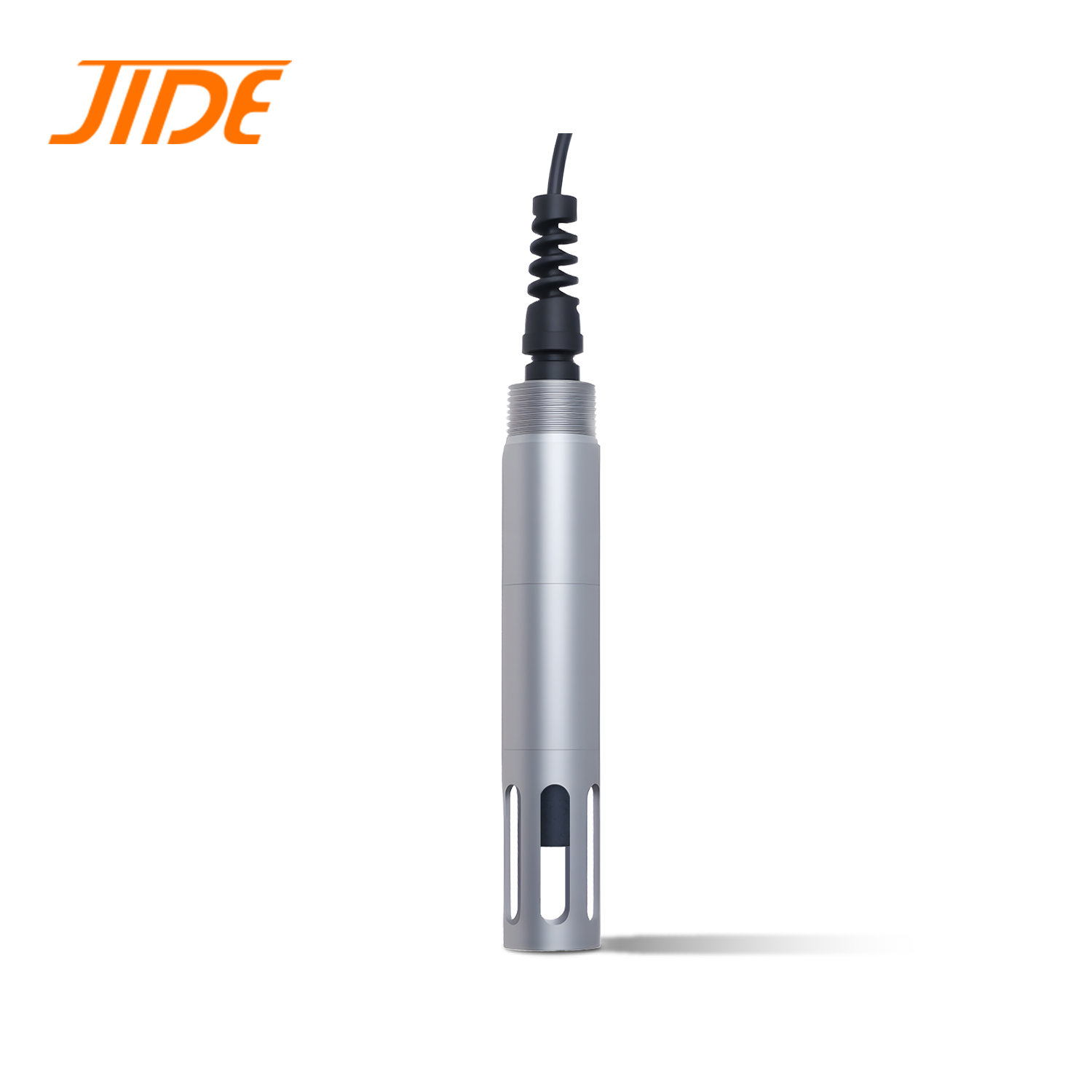
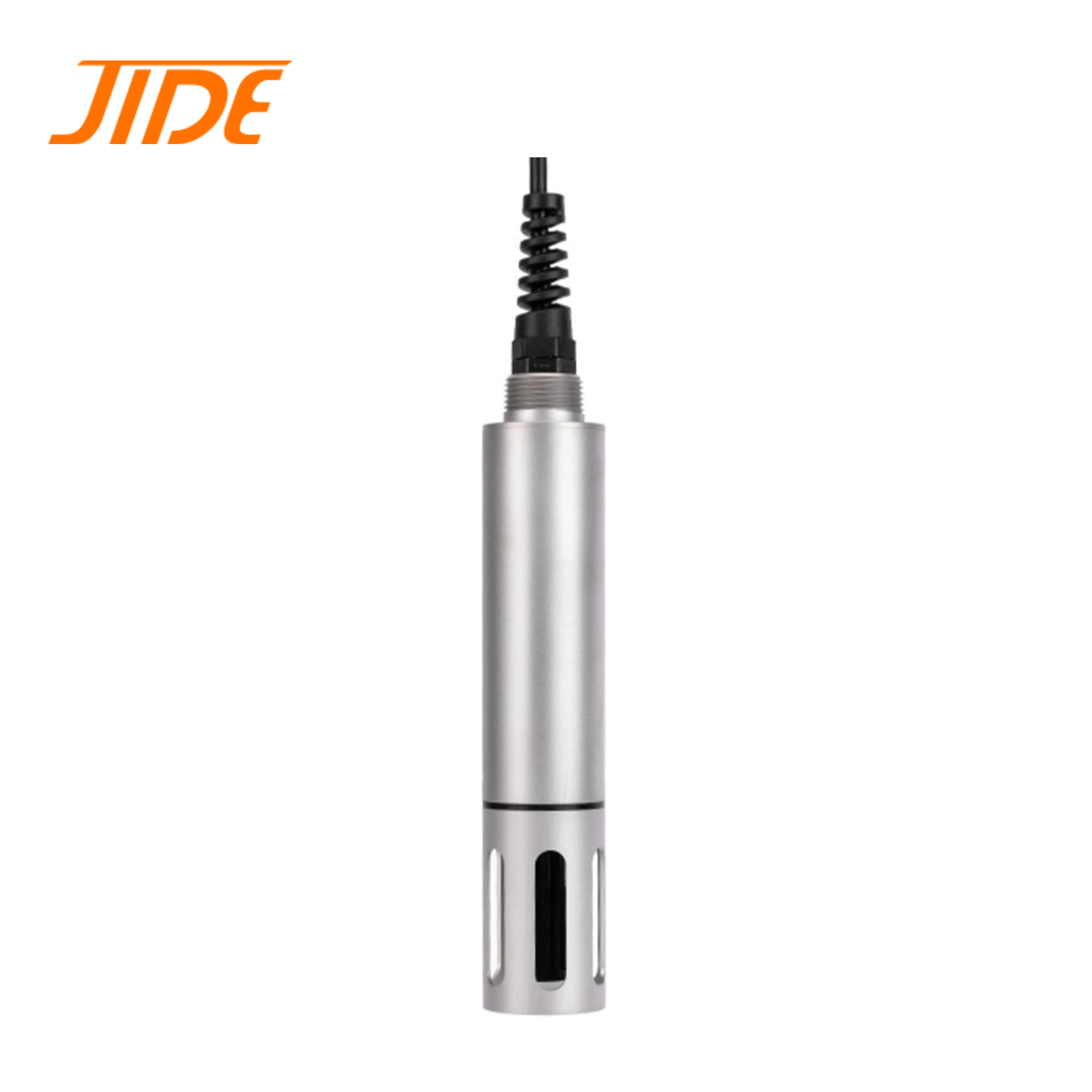
GF conductivity sensors are important tools that help us understand the quality of water. These sensors measure how well electricity moves through water. When the water has more impurities, like salt or chemicals, it conducts electricity better. This information is crucial for many reasons. People need clean water for drinking, agriculture, and industry. By using GF conductivity sensors, we can quickly check if the water is safe. They are used in lakes, rivers, and even swimming pools. The data they provide helps protect our health and environment. JIDE makes high-quality GF conductivity sensor suitable for many uses. With our products, monitoring water becomes easier and more reliable.
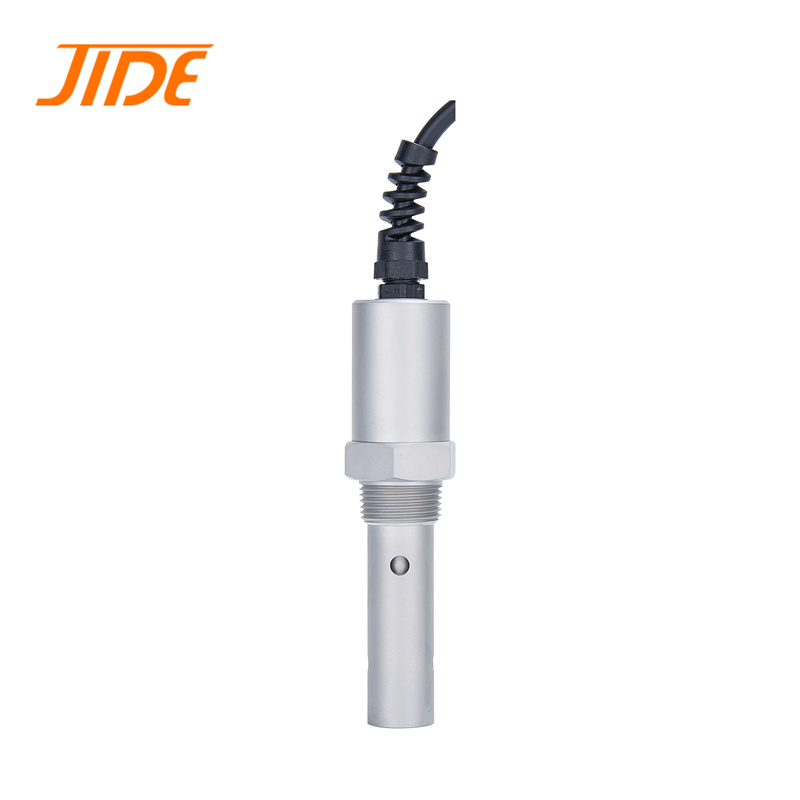
Our Products

Where to Find Wholesale GF Conductivity Sensors at Competitive Prices

JIDE's GF conductivity sensors are built to last and work in different conditions. Whether the sensor is in a quiet pond or a busy industrial site, it gives accurate readings. This adaptability is essential for effective water monitoring. Schools and communities can use these sensors to educate people about water safety. By teaching kids and adults how to read the data, we all become more aware of our water resources. Therefore, these sensors are not just tools; they are also educational devices that promote awareness and responsibility. The importance of GF electrical conductivity sensor cannot be overstated. They are essential for maintaining clean water and safeguarding the environment for future generations.


Frequently Asked Questions

What is the GF conductivity sensor used for?

The GF conductivity sensor measures electrical conductivity in liquids for water quality monitoring and industrial process control, supporting environmental and process applications.
Typical GF conductivity sensors cover low to high conductivity ranges suitable for ultra-pure to industrial waters; exact ranges depend on model—contact JIDE for model specifications.
Install vertically or inline per manual, ensure proper sealing and grounding, avoid air bubbles, and follow JIDE’s installation guide for correct mounting and flow direction.
Regular cleaning to remove deposits, periodic calibration, inspection of seals and cables, and following JIDE’s maintenance schedule ensures reliable performance.
Calibrate using standard conductivity solutions per the manual. JIDE provides technical support, calibration guidance, and documentation to ensure accurate measurements.

Our Blog Posts

Online Water Quality Monitoring Solutions for Industrial Applications

01

Jul

Online Water Quality Monitoring Solutions for Industrial Applications

Water is a vital part of many industries. Factories, farms, and plants all need clean water to work properly. When water quality is poor, it can cause big problems. Companies can lose money, face legal issues, and hurt the environment. That’s why it ...
View More
High Accuracy Turbidity Sensor for Wastewater Treatment Plants

17

Jul

High Accuracy Turbidity Sensor for Wastewater Treatment Plants

Turbidity sensors are important tools in wastewater treatment plants. These sensors help measure how clear or cloudy water is. When water is not clear, it can mean that there are too many tiny particles, like dirt or bacteria. This can be a problem f...
View More
Industrial Inductivity Conductivity Sensor for Process Water Testing

25

Jul

Industrial Inductivity Conductivity Sensor for Process Water Testing

Industries need clean water for many processes, like making products or keeping machines running. To make sure the water used is safe and clean, companies use special tools called Industrial Inductivity Conductivity Sensors. These sensors help check ...
View More
Advanced COD Sensor for Real-Time Organic Matter Monitoring

14

Aug

Advanced COD Sensor for Real-Time Organic Matter Monitoring

Real-time monitoring of organic matter plays a critical role in maintaining water quality and protecting the environment. One of the most effective tools for this purpose is a Chemical Oxygen Demand (COD) sensor, which measures the amount of oxygen r...
View More

Get a Free Quote

Our representative will contact you soon.
Email
Name
Company Name
Message
0/1000

Related product categories

What Are the Common Usage Issues with GF Conductivity Sensors?

What Are the Common Usage Issues with GF Conductivity Sensors?

Another issue is that different liquids can affect the sensor differently. For example, saltwater and freshwater behave differently when it comes to conductivity. This means that a sensor used in one type of liquid might not work well in another. Users need to know what kind of liquid they are measuring and choose the right sensor for that liquid. Additionally, sometimes the sensors can wear out over time due to constant use. This wear and tear can lead to less accurate readings. Regularly checking the sensors and replacing them when needed is a good practice. Finally, people often forget to calibrate their sensors. Calibration is when you adjust the sensor to make sure it gives accurate readings. Without proper calibration, the sensors might not work as expected. Companies like JIDE offer guidance on how to calibrate and maintain these sensors to ensure they work well.


What Are the Key Benefits of Using GF Conductivity Sensors in Environmental Monitoring?

What Are the Key Benefits of Using GF Conductivity Sensors in Environmental Monitoring?

Another benefit is that GF conductivity sensors are easy to use. They can give quick results, which is important when we need to make fast decisions about the environment. For example, if there is a spill of harmful substances, knowing the conductivity of the water can help us understand how far the pollution has spread. This allows teams to respond quickly and clean up the spill to protect the environment. Also, these sensors are often durable and can work in different weather conditions. Whether it is rainy, sunny, or cold, GF conductivity level sensor can still provide reliable measurements. This makes them perfect for long-term environmental monitoring.


How GF Conductivity Sensors Can Enhance Your Production Quality Control?

How GF Conductivity Sensors Can Enhance Your Production Quality Control?

GF conductivity sensors play a crucial role in improving quality control in production processes. In factories, it is very important to ensure that products meet specific standards. These sensors help by measuring the conductivity of liquids used in production. For example, in the food and beverage industry, it is key to monitor the salt and sugar levels in drinks. If the conductivity is off, it might mean that the product is not made correctly. By using GF conductivity sensors, companies can catch these mistakes early. This helps them produce better quality products and reduces waste because they can fix problems before the items are shipped out.

Choose your global partner

Are you ready to consult with an engineer about your working conditions and specific needs?

Get a Quote

Get a Free Quote

Our representative will contact you soon.
Email
Name
Company Name
Message
0/1000